Saturday, February 14, 2026
How Digital Convenience Is Reshaping Human Discipline in the Modern Age
mona
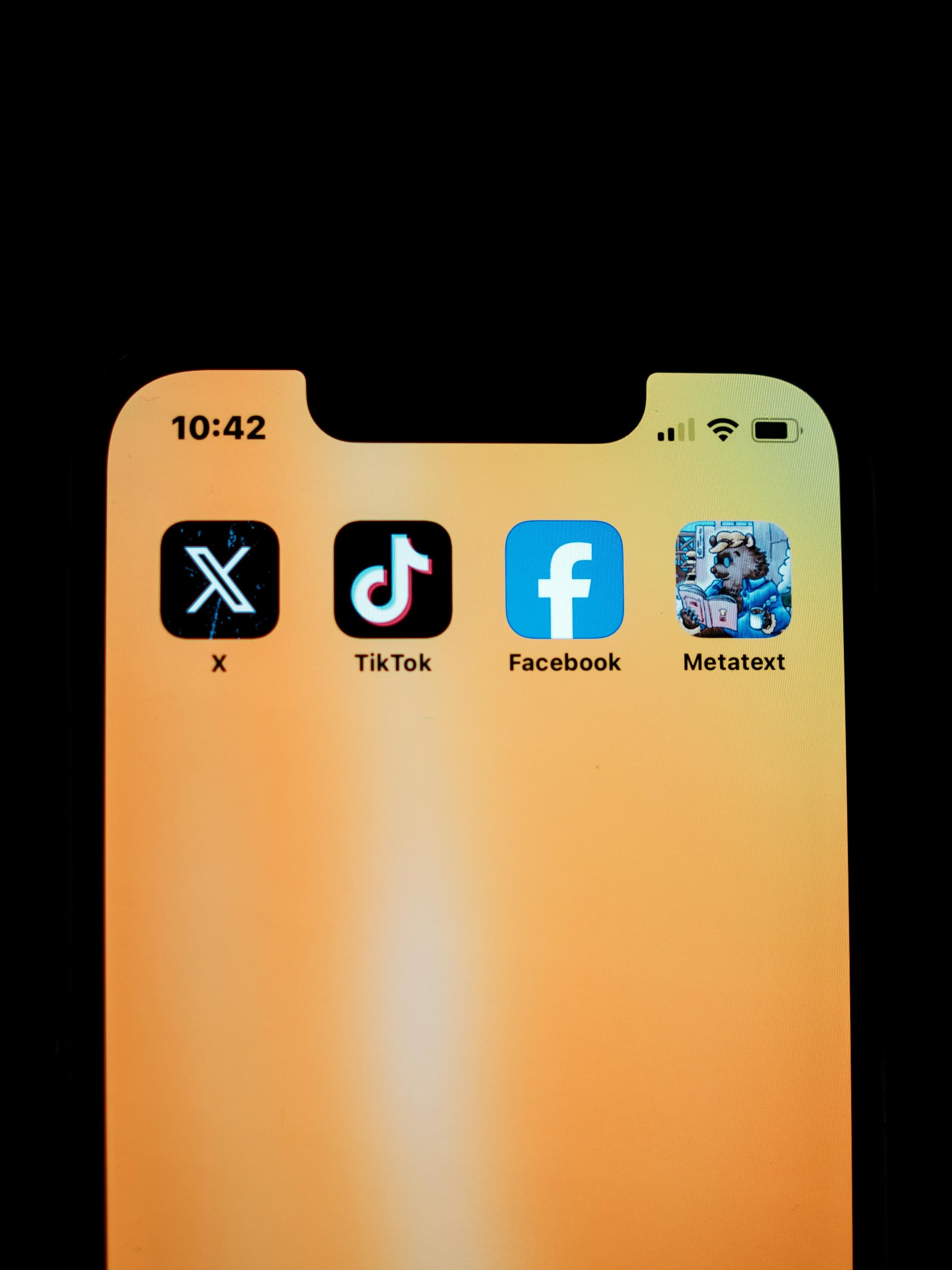
How Digital Convenience Is Reshaping Human Discipline
In the modern world, convenience has become the default expectation. With a smartphone in our pocket, we can order food, book a ride, learn a skill, message anyone, stream entertainment, or solve a problem instantly. Life has never been easier in terms of access.
But beneath this comfort lies a deeper question:
What is all this convenience doing to human discipline?
Discipline has always been one of the most important human strengths. It is what allows people to stay consistent, build habits, overcome discomfort, and grow beyond immediate desires. Yet, in an age where everything is designed to be fast, smooth, and effortless, discipline is being reshaped in ways we rarely notice.
This blog explores how digital convenience is transforming our relationship with patience, focus, self-control, and long-term commitment.
The Rise of Instant Comfort Culture
Discipline thrives in environments where effort is required.
In the past, daily life naturally demanded discipline:
- Walking to places instead of tapping a ride app
- Cooking meals instead of ordering instantly
- Waiting days for information instead of searching in seconds
- Working through boredom without constant entertainment
Today, digital systems remove friction from almost everything.
Convenience is not bad in itself, but it creates a world where discomfort is optional—and discipline often grows through discomfort.
When we no longer need to wait, struggle, or persist, the muscles of discipline weaken over time.
The Decline of Patience in the Digital Era
Patience is one of the first casualties of convenience.
We are now conditioned to expect:
- Instant replies
- Fast deliveries
- Quick results
- Immediate entertainment
- Rapid solutions
Even small delays feel frustrating because our brains have adapted to speed.
Discipline requires the ability to tolerate waiting and effort. But digital life trains the opposite: the habit of instant satisfaction.
When patience declines, long-term goals become harder to pursue because they naturally involve slow progress.
How Convenience Changes Our Motivation
Traditional discipline is built on internal motivation:
- “I want to improve.”
- “I must stay consistent.”
- “I will work even when it’s hard.”
Digital convenience shifts motivation outward.
Now many actions are driven by:
- Notifications
- Algorithms
- Likes and validation
- Easy dopamine rewards
Instead of choosing effort, we are pulled by stimulation.
Over time, people become less motivated by purpose and more motivated by what feels instantly rewarding.
This creates a discipline gap:
we know what we should do, but convenience offers easier alternatives.
Dopamine Loops and the New Discipline Crisis
Digital platforms are designed to keep attention.
Every scroll, click, and refresh gives the brain small dopamine hits—tiny rewards that feel satisfying.
This creates a loop:
Feel boredom or discomfort
Reach for phone
Get quick stimulation
Repeat
Discipline requires staying present through boredom and resisting impulses. But constant digital convenience makes escape effortless.
As a result, many people struggle with:
- Short attention spans
- Procrastination
- Lack of consistency
- Difficulty doing deep work
It’s not laziness—it’s conditioning.
Convenience and the Loss of Mental Endurance
Mental endurance is the ability to continue even when something feels difficult or slow.
In a world of convenience, endurance becomes less necessary.
Why struggle through something when an easier option exists?
Examples:
- Reading full books replaced by short summaries
- Learning deeply replaced by quick tutorials
- Working through challenges replaced by instant answers
- Face-to-face conversations replaced by quick texts
Convenience reduces effort, but it also reduces resilience.
Discipline is often built by doing hard things repeatedly. Without those experiences, endurance fades.
The Illusion of Productivity
Digital convenience gives us tools that feel productive:
- Task apps
- AI assistants
- Productivity videos
- Motivation reels
But often, these tools create the illusion of progress without real discipline.
For example:
- Planning endlessly instead of executing
- Watching self-improvement content instead of improving
- Organizing goals instead of working toward them
Convenience can make us feel busy while avoiding discomfort.
True discipline is not about consuming productivity—it is about practicing it.
The Comfort Trap: When Everything Becomes Too Easy
Convenience becomes dangerous when it removes meaningful struggle.
Struggle is not always negative. It teaches:
- Persistence
- Self-control
- Confidence
- Delayed gratification
If everything becomes effortless, humans lose opportunities to build character.
Discipline is not built in comfort.
It is built in resistance.
A life with no resistance creates a person with weak discipline.
Social Media and the Discipline of Comparison
Digital convenience also reshapes discipline through comparison.
Social platforms show curated success:
- Perfect bodies
- Fast achievements
- Luxurious lifestyles
- Hustle culture
This affects discipline in two ways:
1. Unrealistic Expectations
People expect quick success because they see only outcomes, not effort.
2. Emotional Burnout
Constant comparison creates discouragement, making consistency harder.
Discipline requires focusing on your own path, but convenience brings everyone else’s path into your pocket.
Discipline Has Not Disappeared—It Has Evolved
The truth is: discipline is not gone.
It is simply changing form.
In the past, discipline meant doing hard tasks because there were no shortcuts.
Today, discipline means resisting shortcuts even when they exist.
Modern discipline looks like:
- Staying focused despite distractions
- Choosing depth over speed
- Delaying gratification in a world of instant pleasure
- Building habits when comfort is always available
Discipline is no longer just about effort.
It is about intentionality.
The New Challenge: Self-Control in a Convenience World
The greatest discipline today is self-control.
Not because life is harder, but because temptations are everywhere.
Every app is designed to pull attention.
Every service is designed to reduce effort.
Every platform is designed for instant reward.
So the disciplined person in 2026 is someone who can say:
- “Not now.”
- “I will focus.”
- “I will finish what I started.”
- “I won’t trade my future for comfort.”
That is modern strength.
How to Build Discipline in the Age of Convenience
Digital convenience isn’t going away, and it shouldn’t.
The goal is not rejection—it is balance.
Here are practical ways to rebuild discipline:
1. Practice Digital Fasting
Take small breaks from apps and screens daily.
Even 30 minutes of silence trains patience.
2. Make Effort a Daily Habit
Do one uncomfortable thing every day:
- Workout
- Deep study
- Writing
- Long reading
Discipline grows through repetition.
3. Use Technology With Intention
Don’t let convenience control you.
Ask:
“Is this helping my growth or avoiding effort?”
4. Rebuild Attention
Focus on one task at a time.
Multitasking is convenience disguised as productivity.
5. Embrace Slow Progress
Discipline is not fast.
Real improvement is quiet, gradual, and consistent.
Conclusion: Convenience Is a Tool, Not a Lifestyle
Digital convenience is one of humanity’s greatest achievements.
But it comes with a hidden cost:
the weakening of discipline through constant comfort.
The future belongs not to those who have the most technology, but to those who can control how they use it.
Discipline in the digital age is no longer about surviving hardship.
It is about choosing growth when comfort is always available.
Because the strongest person today is not the one who can do everything instantly—
but the one who can still commit, persist, and stay consistent in a world designed to distract.
You may also like
How to Find B2B Leads Using AI in 2026: Best AI Lead Finder Tools
Arjak
Saturday, October 10, 2026

How Over-Optimization Is Killing Natural Learning in the Modern Age
AN
Monday, February 16, 2026

Why Deep Thinking Feels Uncomfortable in Today’s Digital World
Tim
Sunday, February 15, 2026