Saturday, January 17, 2026
A Future Where Creativity Is Automated: What Humans Still Own
mew
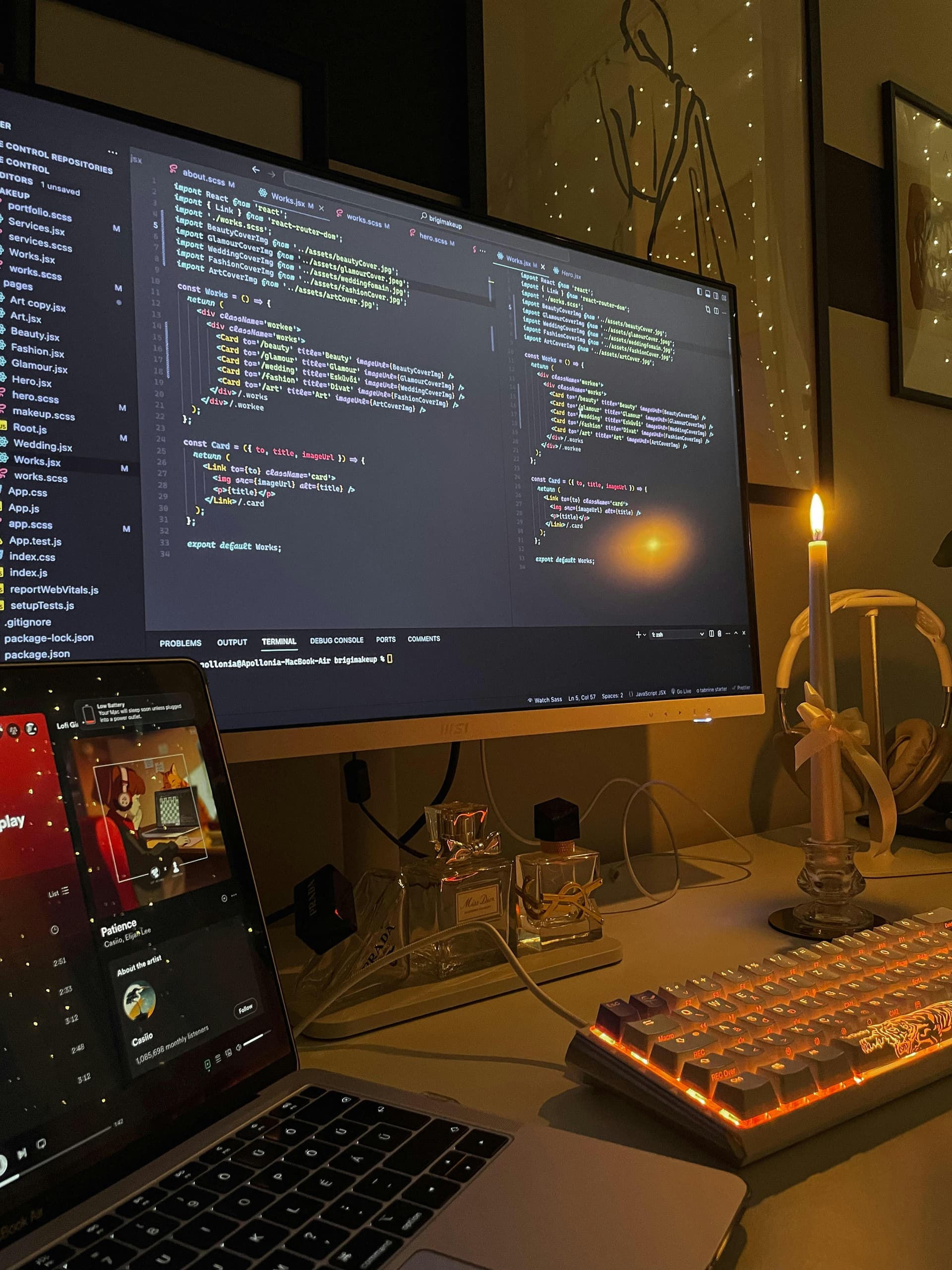
Creativity is becoming automated—but meaning, emotion, and perspective remain human. Explore how creators stay relevant in an AI-driven future.
A Future Where Creativity Is Automated
When making ideas becomes effortless, and meaning becomes the real work
There was a time when creativity arrived slowly.
You stared at a blank page.
You waited for the right words.
You doubted yourself before writing the first line.
Creation was uncomfortable—and that discomfort gave it value.
Today, creation feels different.
Ideas appear instantly.
Drafts arrive fully formed.
Visuals, music, and stories can be summoned on demand.
The struggle has faded. And with it, a quiet question has emerged:
If creativity no longer requires effort, what does it require?
This is not the end of creativity.
It is the beginning of a different kind.
The Moment Creativity Became a Utility
Electricity used to be magical.
So did the internet.
Creativity is now entering the same phase.
It is becoming a utility—something you turn on when needed.
Need a headline? Generate one.
Need a concept? Produce ten.
Need variations? Infinite supply.
When creativity becomes accessible to everyone, it stops being a privilege.
And when it stops being a privilege, its role in society shifts.
The value no longer lies in producing ideas.
It lies in choosing which ideas deserve to exist.
From “Can You Create?” to “Why Should Anyone Care?”
For most of history, the hardest part of creative work was execution.
Writing required skill.
Design required training.
Publishing required access.
Automation removes these barriers.
Now the hardest question is no longer how to create—but why.
Why this idea?
Why this message?
Why now?
Automated systems are excellent at answering “how.”
They are silent on “why.”
That silence is where humans step in.
Creativity Without Friction Changes Human Behavior
When effort disappears, behavior changes.
People experiment more.
They abandon ideas faster.
They publish without overthinking.
This creates a world where:
- Ideas are temporary
- Content is disposable
- Iteration replaces perfection
Creativity becomes fluid instead of sacred.
And while that sounds unsettling, it unlocks something powerful: honesty.
When nothing takes too long to create, people are less afraid of being wrong.
The Rise of Disposable Creativity—and What Survives It
Most automated creativity will be forgotten.
Generated posts.
Generated designs.
Generated concepts.
They will exist briefly, then vanish.
But a small percentage will stick.
Not because it is technically superior—but because it connects.
What survives will have:
- Emotional relevance
- Cultural awareness
- Personal truth
Automation creates quantity.
Humans create attachment.
An Everyday Example: Two Stories, Same Tools
Imagine two people using the same creative tools.
One produces flawless content daily.
It’s polished, optimized, and impressive.
The other posts less often.
The work is imperfect—but grounded in real experience.
Over time, audiences don’t remember who posted more.
They remember who felt real.
Automation equalizes tools.
It does not equalize lived reality.
Creativity Shifts from Expression to Interpretation
In an automated future, expression becomes cheap.
Interpretation becomes rare.
Anyone can express an idea.
Few can interpret the world meaningfully.
Interpretation requires:
- Understanding context
- Reading between lines
- Recognizing patterns in human behavior
This is why commentary, insight, and perspective grow more valuable than raw creation.
The creator becomes a sense-maker, not just a maker.
Why Taste Becomes the Ultimate Creative Skill
Taste cannot be automated easily.
Taste is shaped by:
- What you’ve seen
- What you’ve rejected
- What you’ve learned to appreciate
Automation can offer options.
Taste decides which ones matter.
In the future, creative power belongs to people who can say:
“This works.”
“This doesn’t.”
“This feels wrong—even if it looks right.”
That judgment is deeply human.
The Emotional Weight Machines Cannot Carry
Machines can generate emotion-like outputs.
They can simulate sadness.
They can mirror excitement.
They can predict reactions.
But they do not carry emotional weight.
They do not remember embarrassment.
They do not carry regret.
They do not fear being misunderstood.
Human creativity is shaped by consequences.
Automation creates without consequences.
Humans create with them.
That difference leaves a fingerprint audiences can feel.
When Creativity Is Everywhere, Attention Becomes Personal
In an automated creative world, attention does not follow content.
It follows people.
Audiences don’t ask:
“What did you make?”
They ask:
“Who are you?”
This is why personality, values, and consistency matter more than output.
People don’t bond with ideas.
They bond with identities.
Creativity Turns Into Responsibility
When creating is easy, responsibility increases.
Words travel faster.
Images spread wider.
Ideas influence more people.
Automation removes effort—but not impact.
Creators must ask:
- What am I reinforcing?
- Who might this affect?
- What does this normalize?
Creativity stops being just self-expression.
It becomes participation in culture.
Automation Will Not Remove Human Bias—and That’s Important
Human creativity is biased.
It reflects culture.
It reflects belief.
It reflects limitation.
Automation tries to smooth bias away.
But bias is not always a flaw—it’s context.
A story shaped by a specific place, time, or struggle carries texture.
A perfectly neutral output often feels empty.
The future favors situated creativity, not universal blandness.
The New Creative Divide Is Not Skill—It’s Intention
In the past, creative divides were about skill.
Who could write?
Who could design?
Who could publish?
Now the divide is about intention.
Who creates to be seen?
Who creates to be understood?
Who creates to explore?
Who creates to manipulate?
Automation amplifies intention.
Whatever you bring into the process becomes louder.
How Humans Thrive Alongside Automated Creativity
The creators who thrive will not fight automation.
They will:
- Use it to remove friction
- Use it to explore possibilities
- Use it to speed execution
But they will guard:
- Their voice
- Their values
- Their perspective
They will let machines assist—but never decide.
Creativity Becomes a Dialogue, Not a Product
Creative work stops being finished.
It evolves.
It responds.
It adapts.
Automation allows creators to listen and adjust in real time.
But listening is still human.
Understanding nuance.
Reading emotional cues.
Recognizing silence.
Those skills grow more important—not less.
What the Future Rewards
The future does not reward those who create the most.
It rewards those who:
- Create with clarity
- Communicate with intention
- Show up consistently
- Build trust slowly
Automation accelerates everything—but trust still moves at human speed.
The Unexpected Outcome of Automated Creativity
Here is the paradox:
When creativity becomes automated, humanity becomes visible.
When effort disappears, motivation shows.
When polish becomes default, sincerity stands out.
When volume increases, silence gains power.
The future does not belong to machines that create.
It belongs to humans who mean something when they do.
Final Thought
Creativity was never just about producing ideas.
It was about revealing how we see the world.
Automation changes the mechanics—but not the purpose.
In a future where creativity is automated,
the most valuable creations will not be faster, prettier, or smarter.
They will be honest.
And honesty remains stubbornly human.
You may also like
How to Find B2B Leads Using AI in 2026: Best AI Lead Finder Tools
Arjak
Saturday, October 10, 2026

How Over-Optimization Is Killing Natural Learning in the Modern Age
AN
Monday, February 16, 2026
Why Deep Thinking Feels Uncomfortable in Today’s Digital World
Tim
Sunday, February 15, 2026