Sunday, January 4, 2026
Fire or Ice: How the World Is Quietly Destroying Itself in 2026
robert
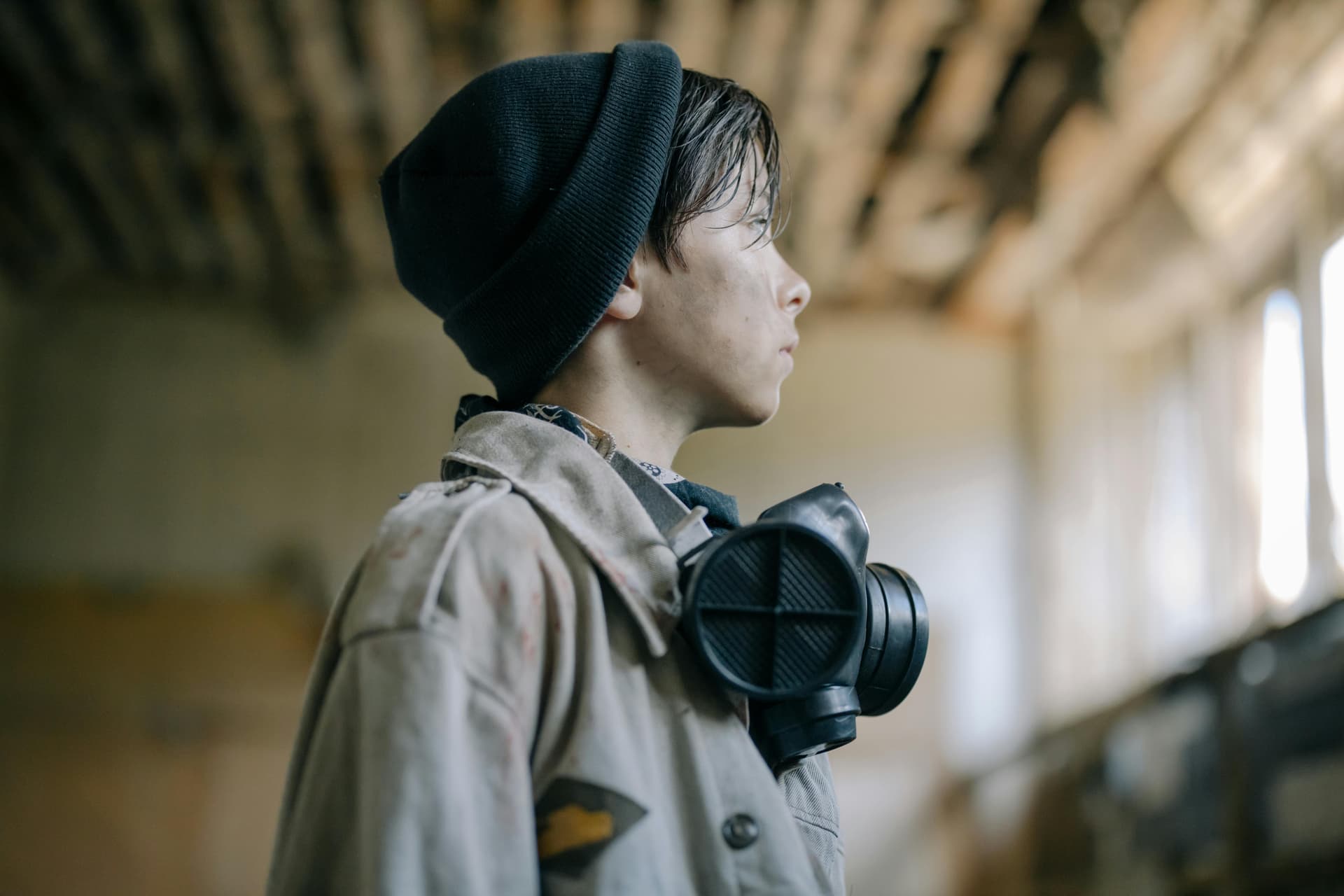
Fire or Ice: How the World Is Quietly Destroying Itself in 2026
In 2026, the world isn’t ending with explosions or ice ages—but through extremes of desire and indifference. A modern, human reflection with real Indian-life examples.
The End of the World No One Is Watching
The world is not ending loudly.
There are no sirens in the sky, no dramatic announcements, no single day that history books will circle in red. Instead, the world is changing so slowly that most of us don’t even notice it happening.
In 2026, destruction does not arrive as a disaster.
It arrives as routine.
People wake up, scroll, rush, work, consume, sleep—and repeat. Somewhere between deadlines and notifications, something essential is thinning out: patience, empathy, and meaning.
Some believe the world will collapse because humans want too much.
Others believe it will collapse because humans feel too little.
Both truths are quietly unfolding around us.
Fire: When Desire Stops Being Healthy
Fire today is not about flames or war.
It is about uncontrolled desire.
In modern life, especially in growing economies like India, wanting more is encouraged from childhood:
- Score higher marks
- Get a better college
- Secure a higher-paying job
- Buy a bigger house
- Own the latest phone
Ambition itself is not wrong. But in 2026, ambition has turned into exhaustion.
An Indian Reality Check
Take a common scene in Indian cities:
A young professional in Bengaluru or Gurugram works 10–12 hours a day. Even after reaching home, Slack messages and emails continue. Weekends are spent “upskilling” instead of resting. Family time feels like guilt because productivity has become self-worth.

This is fire.
Not passion—but pressure.
People don’t ask, “Am I fulfilled?”
They ask, “Am I ahead of others?”
Fire convinces us that slowing down means falling behind.
Social Media: Fuel for the Fire
Fire spreads fastest online.
In 2026, social media rewards extremes:
- Extreme success stories
- Extreme opinions
- Extreme lifestyles
A student from a small town compares their life to influencers living in luxury apartments. A middle-class parent feels inadequate because “everyone else” seems to be doing better.
What we rarely see:
- Debt behind luxury
- Anxiety behind smiles
- Burnout behind success
Desire becomes endless because comparison never ends.
And fire, once uncontrolled, burns mental health, relationships, and self-respect.
Ice: When Caring Becomes Inconvenient
If fire is excess, ice is absence.
Ice is not cruelty—it is emotional shutdown.
In 2026, people know more than ever:
- News from every corner of the country
- Tragedies updated in real time
- Social issues explained in detail
Yet reactions are brief.
A viral accident trends for a day.
A social issue sparks debate for a week.
Then everything freezes again.
Everyday Indian Example
A road accident happens. People gather. Phones come out. Videos are recorded. Very few step forward to help.
Not because people are heartless—but because:
- “What if I get into trouble?”
- “Someone else will help.”
- “I don’t have time.”
This is ice.
Protecting oneself by becoming emotionally distant.
Ice at Home: Silent Rooms, Busy Minds
Ice doesn’t exist only in public spaces.
It exists inside homes.
Families sit together but scroll separately.
Conversations are replaced by screens.
Emotions are postponed because “we’ll talk later.”
In many Indian households:
- Parents are busy surviving
- Children are busy competing
- Everyone is tired
Caring feels like extra effort in an already heavy life.
So people freeze—not intentionally, but gradually.
Technology: Amplifier, Not the Enemy
Technology is not destroying humanity.
Unexamined use of it is.
In 2026:
- AI writes faster than humans
- Algorithms decide what we see
- Speed is valued over depth
Technology fuels fire by pushing constant growth and comparison.
It supports ice by reducing human interaction to taps and reactions.
Machines are becoming efficient.
Humans are becoming distant.

The danger is not artificial intelligence.
The danger is emotional outsourcing.
The Real Battle Is Internal
The world is not choosing between fire or ice.
We are.
Every single day.
- When we chase success without meaning, fire grows
- When we ignore suffering because it’s inconvenient, ice spreads
- When we stay silent to avoid discomfort, ice wins
- When we overwork to prove worth, fire consumes
Fire and ice are not disasters.
They are habits.
And habits shape futures.
Small Indian Choices That Make a Difference
The world will not be saved by massive revolutions alone.
It will be shaped by small, ordinary decisions:
- Choosing to rest without guilt
- Calling parents without checking the time
- Helping without recording
- Listening instead of arguing online
- Taking mental health seriously
These actions don’t go viral.
They don’t bring instant rewards.
But they keep humanity alive.
Balance: The Forgotten Middle Path
Indian philosophy often speaks about balance—the middle path.
Not too much desire.
Not too much detachment.
Fire teaches us motivation.
Ice teaches us restraint.
The problem begins when either becomes extreme.
A society survives not through intensity, but through awareness.
A Quiet Hope for 2026 and Beyond
Despite everything, hope still exists.
It exists in:
- A teacher who understands pressure
- A manager who respects boundaries
- A creator who chooses honesty over virality
- A person who pauses before judging
The world will not end in one dramatic moment.
It will either erode quietly—or heal quietly.
Final Thought: The Choice Is Still Ours
Fire warns us about endless wanting.
Ice warns us about emotional death.
The future belongs to those who:
- Dream without burning themselves
- Care without losing themselves
- Use technology without becoming empty
In 2026, the world does not need louder voices.
It needs conscious humans.
Because the end of the world doesn’t begin with fire or ice.
It begins when humans stop choosing balance.
Inspiration Note:
This piece is a completely original modern reflection, inspired only by the idea of “fire” and “ice” as human extremes—desire and indifference. It does not borrow, adapt, or mirror Robert Frost’s language, lines, imagery, or poetic structure, and is written entirely in a contemporary, real-world context.
You may also like

How to Find B2B Leads Using AI in 2026: Best AI Lead Finder Tools
Arjak
Saturday, October 10, 2026

How Over-Optimization Is Killing Natural Learning in the Modern Age
AN
Monday, February 16, 2026

Why Deep Thinking Feels Uncomfortable in Today’s Digital World
Tim
Sunday, February 15, 2026