Tuesday, January 20, 2026
How Learning Privately Beats Learning Publicly | The Future of Personal Education
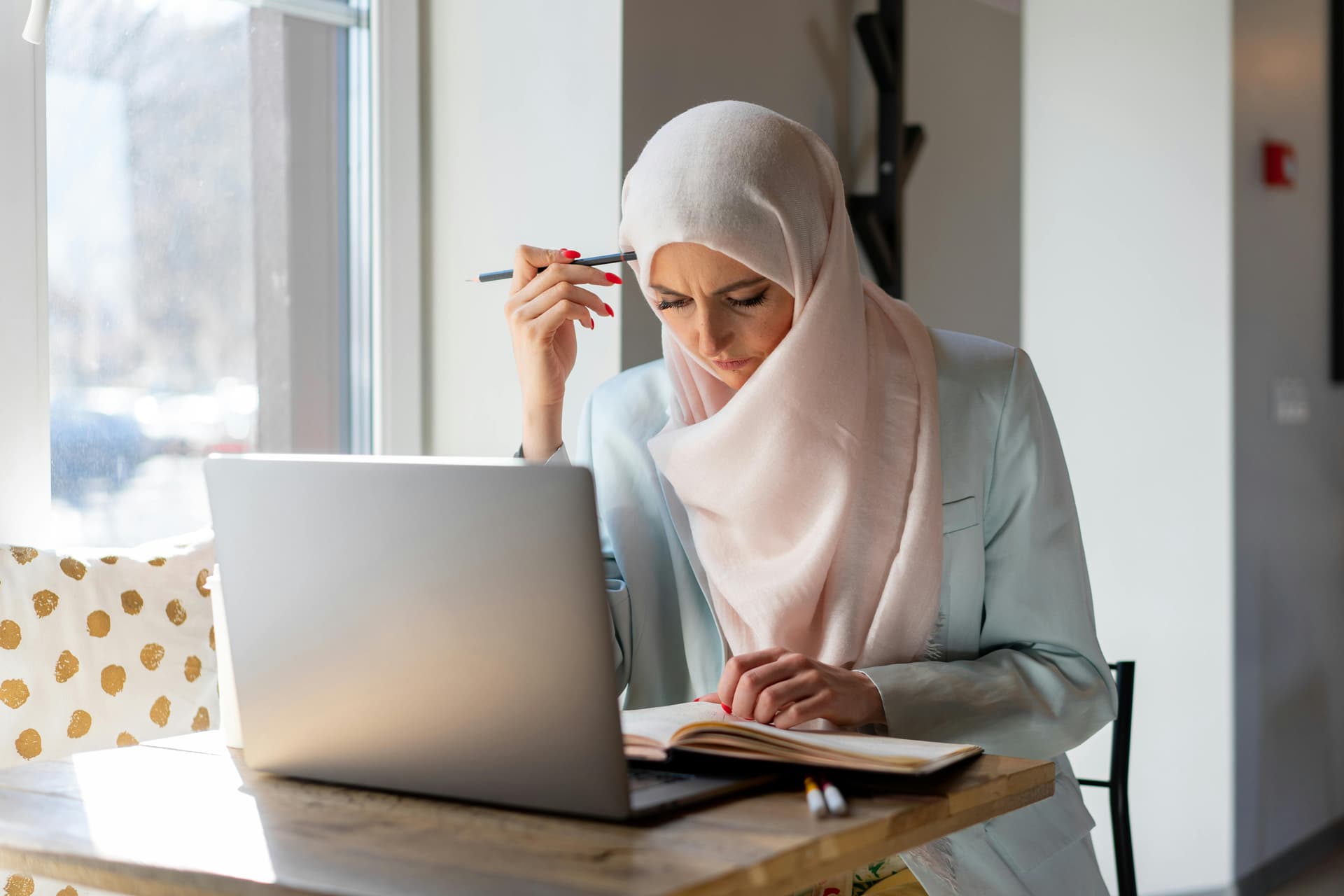
How Learning Privately Beats Learning Publicly
Why the future of education is quieter, safer, and more personal
Introduction: The Hidden Side of Learning
Most people imagine learning as something that happens in classrooms, lecture halls, or group discussions. A teacher explains. Students listen. Someone raises a hand. Someone else stays silent even though they are confused.
But here’s a truth that rarely gets talked about:
Most real learning doesn’t happen in public.
It happens late at night, when you’re re-reading the same paragraph for the third time.
It happens when you pause a YouTube video because you didn’t understand one line.
It happens when you Google something you were too embarrassed to ask in class.
This is private learning.
And in many ways, private learning beats public learning—not because classrooms are useless, but because the human brain learns best when fear, pressure, and comparison disappear.
In this article, we’ll explore why learning privately is often more powerful, how it improves understanding and confidence, and why the future of education is moving toward more personal, private, and self-paced systems.
1. The Fear Factor: Why Public Learning Holds People Back
Public learning environments come with invisible pressure.
Even in friendly classrooms, students worry about:
- Looking stupid
- Asking a “dumb” question
- Being judged by classmates
- Slowing down the group
- Getting laughed at
Because of this fear, many learners choose silence over clarity.
They nod when they don’t understand.
They memorize steps instead of learning concepts.
They leave class with gaps in knowledge that grow bigger over time.
Private learning removes this fear
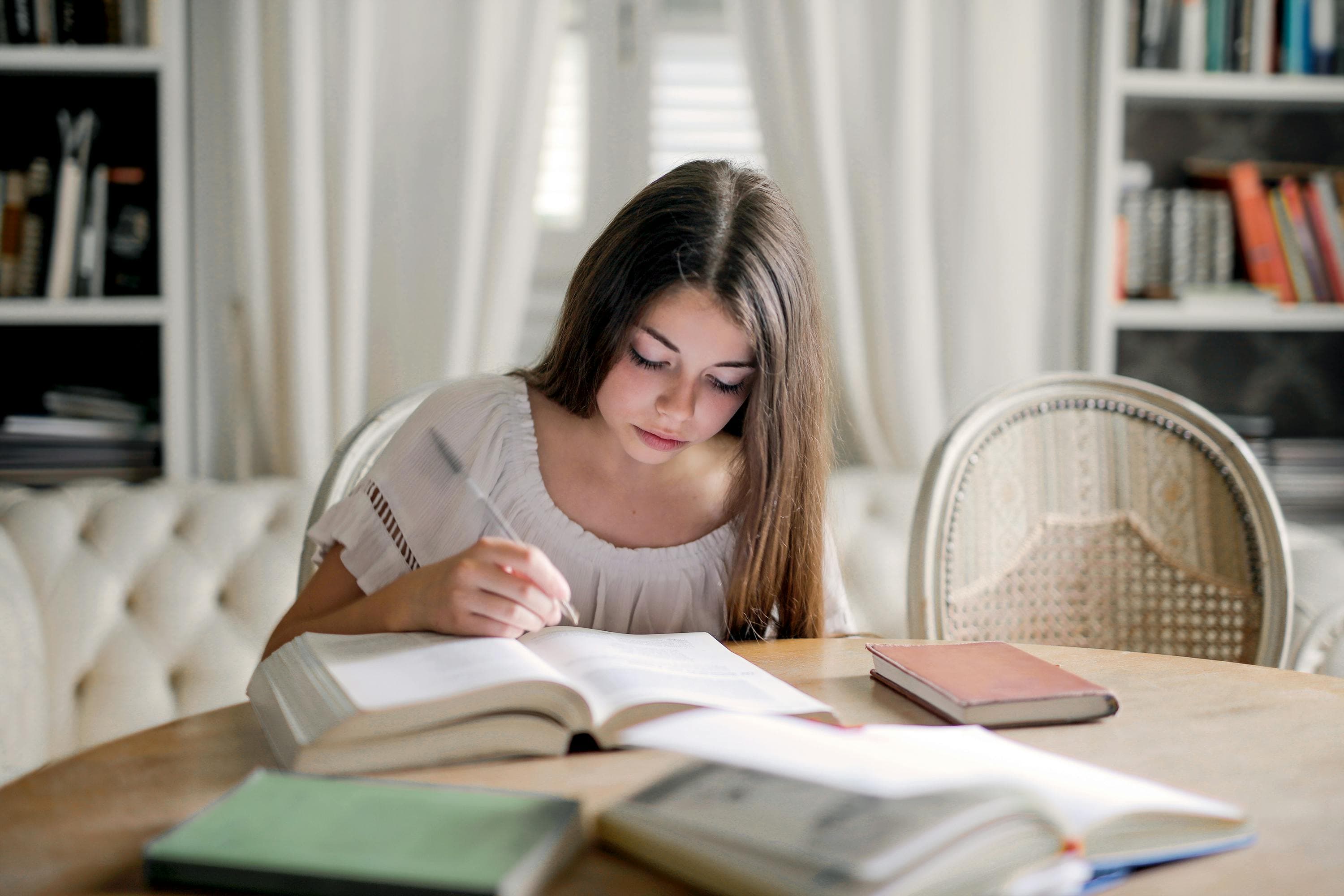
When you learn privately:
- You can repeat a lesson 10 times without embarrassment
- You can ask the same question again and again
- You can make mistakes freely
- You can pause, rewind, or rethink without pressure
There’s no audience.
No judgment.
No race.
Just you and the problem.
This emotional safety alone makes private learning more effective than any fancy teaching method.
2. Everyone Learns at a Different Speed
Public learning assumes something that simply isn’t true:
That a group of people can learn the same thing at the same pace.
In reality:
- Some learners need more time to process
- Some understand instantly
- Some need visuals
- Some need examples
- Some need practice
- Some need explanations in simpler language
But in a classroom, the pace is fixed.
If you’re slow → you fall behind
If you’re fast → you get bored
If you’re different → you struggle silently
Private learning adapts to you
Private learning allows:
- Self-paced progress
- Custom explanations
- Repetition without shame
- Skipping what you already know
- Deep focus on what you don’t
Instead of adjusting yourself to the system,
the system adjusts to you.
That’s a huge advantage.
3. Real Learning Is Messy (And Public Learning Hates Mess)
Learning isn’t clean or linear.
It looks like:
- Confusion
- Half-understanding
- Wrong assumptions
- Mental blocks
- Sudden clarity
- Backtracking
- Re-learning basics
Public learning environments don’t allow this messiness.
They reward:
- Quick answers
- Confident speakers
- Memorization
- Speed over depth
Students feel pressure to appear smart instead of actually becoming smart.
Private learning welcomes the mess
In private learning:
- You can think slowly
- You can explore side questions
- You can follow curiosity
- You can build understanding layer by layer
There’s no rush to “perform.”
There’s no competition to look intelligent.
Only real progress.
4. Private Learning Builds Confidence (Not Just Knowledge)
One of the biggest problems with public learning is what it does to confidence.
When learners constantly:
- Get things wrong in front of others
- Feel behind
- Compare themselves to faster classmates
- Get ignored or misunderstood
They start believing:
“I’m bad at this.”
“I’m not smart enough.”
“This subject isn’t for me.”
This isn’t a learning problem.
It’s a psychological injury caused by the environment.
Private learning heals confidence
When you learn privately:
- You fail safely
- You improve quietly
- You see progress personally
- You control your pace
- You master things without pressure
Success becomes normal instead of rare.
Over time, this creates:
- Stronger self-belief
- Better motivation
- More curiosity
- Less anxiety
And confident learners learn faster.
5. Better Focus, Fewer Distractions
Public learning environments are full of distractions:
- Noise
- Talking
- Phone notifications
- Peer drama
- Classroom politics
- Teacher interruptions
- Group chaos
Even online group classes are full of:
- Chat messages
- Background noise
- Technical issues
- Other people’s questions
Private learning creates deep focus
When you learn privately:
- You control your environment
- You choose your time
- You remove distractions
- You set your rhythm
- You stay in “flow” longer
This deep focus leads to:
- Faster understanding
- Better memory
- Stronger skill-building
- Less burnout
In a world full of noise,
quiet learning wins.
6. Honest Questions Lead to Real Understanding
In public learning, people rarely ask what they truly want to know.
They ask:
- What sounds intelligent
- What won’t embarrass them
- What seems “normal”
- What others are asking
This filters out the most important questions:
the basic ones.
The “stupid” ones.
The foundational ones.
Private learning removes this filter
In private learning:
- You can ask anything
- You can admit confusion
- You can restart from basics
- You can challenge assumptions
- You can dig deep into weak areas
This honesty creates strong foundations.
And strong foundations create long-term success.
7. The Rise of Private Learning Tools
Technology has quietly changed how people learn.
Today, private learning happens through:
- Online courses
- AI tutors
- YouTube tutorials
- Learning apps
- Interactive practice platforms
- Digital textbooks
- Personalized learning systems
These tools allow learners to:
- Learn anytime
- Learn anywhere
- Learn at their own pace
- Learn in their own style
The result?
Millions of people now prefer private learning over traditional classrooms.
Not because teachers are bad.
But because personalized learning works better.
8. Public Learning Still Matters (But It’s Not Enough)
This doesn’t mean public learning is useless.
Classrooms are still important for:
- Social skills
- Collaboration
- Communication
- Teamwork
- Motivation
- Structure
- Exposure to ideas
But classrooms should not be the main engine of learning anymore.
They should be:
- A support system
- A discussion space
- A guidance platform
While the real learning happens privately.
9. The Future: Private-First Education
The future of education is not:
“Everyone learns the same thing at the same time.”
It’s:
“Everyone learns what they need, when they need it, how they need it.”
This means:
- More self-paced programs
- More AI tutors
- More customized curriculums
- More private practice time
- More flexible schedules
Instead of forcing students into one system,
education will adapt to individuals.
And that will change everything.
10. Final Thoughts: Quiet Learning Wins
Public learning teaches people how to perform.
Private learning teaches people how to understand.
Public learning rewards confidence.
Private learning builds confidence.
Public learning creates pressure.
Private learning creates freedom.
In a noisy world full of comparison, judgment, and competition,
quiet, private learning is becoming the smartest way to grow.
The future of learning isn’t louder.
It’s calmer.
Smarter.
And deeply personal.
You may also like
How to Find B2B Leads Using AI in 2026: Best AI Lead Finder Tools
Arjak
Saturday, October 10, 2026
How Over-Optimization Is Killing Natural Learning in the Modern Age
AN
Monday, February 16, 2026
Why Deep Thinking Feels Uncomfortable in Today’s Digital World
Tim
Sunday, February 15, 2026