Sunday, January 4, 2026
How to Tell Wild Animals in 2025: When Survival Learned New Rules

introduction: A World That Learned the Hard Way
2025 did not feel like a year that gently passed. It arrived heavy—with climate warnings turning real, cities stretching into forests, and animals stepping into human spaces not out of curiosity, but necessity. We learned something uncomfortable: knowing how to identify wild animals was no longer a poem or a school lesson. It became a matter of coexistence.
In earlier times, poems joked that if something hugged you tightly, it must be a bear, and if it roared while you froze in fear, it was a lion. The humor worked because the jungle was far away. In 2025, the jungle knocked on city doors.
This is not a guide to fear animals. This is a human story about recognition—of signs, silences, and shared survival.
When Animals Came Closer—and Humans Looked Away
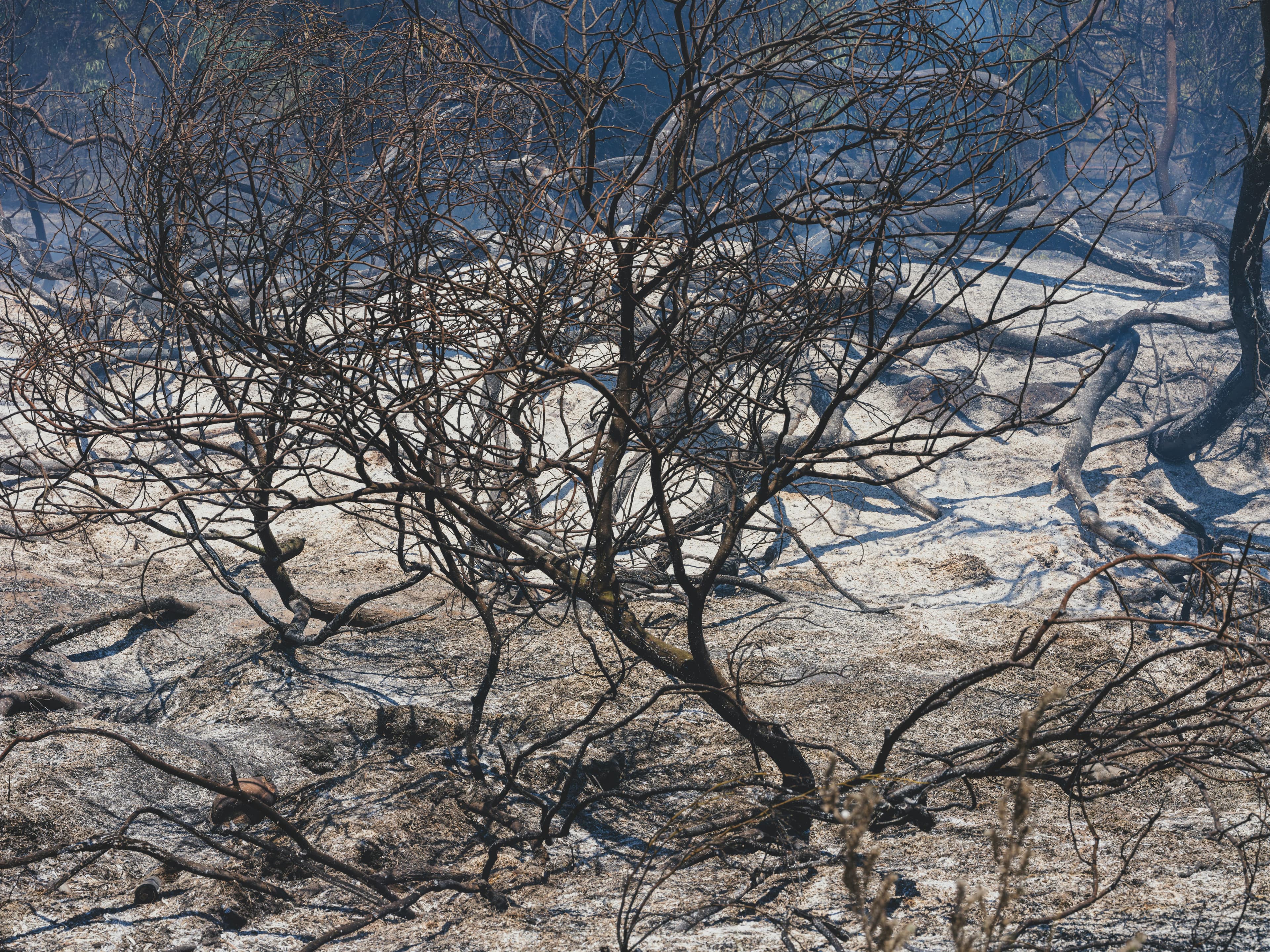
Across the world, habitats shrank while highways grew. Fires erased forests. Heat confused migration paths. Animals didn’t change their nature; circumstances changed their routes.
In India, leopards were spotted near construction zones. In Australia, kangaroos wandered into suburbs searching for water. And in Japan, something deeply symbolic happened.
Japan, 2025: The Monkeys at the Edge of the City
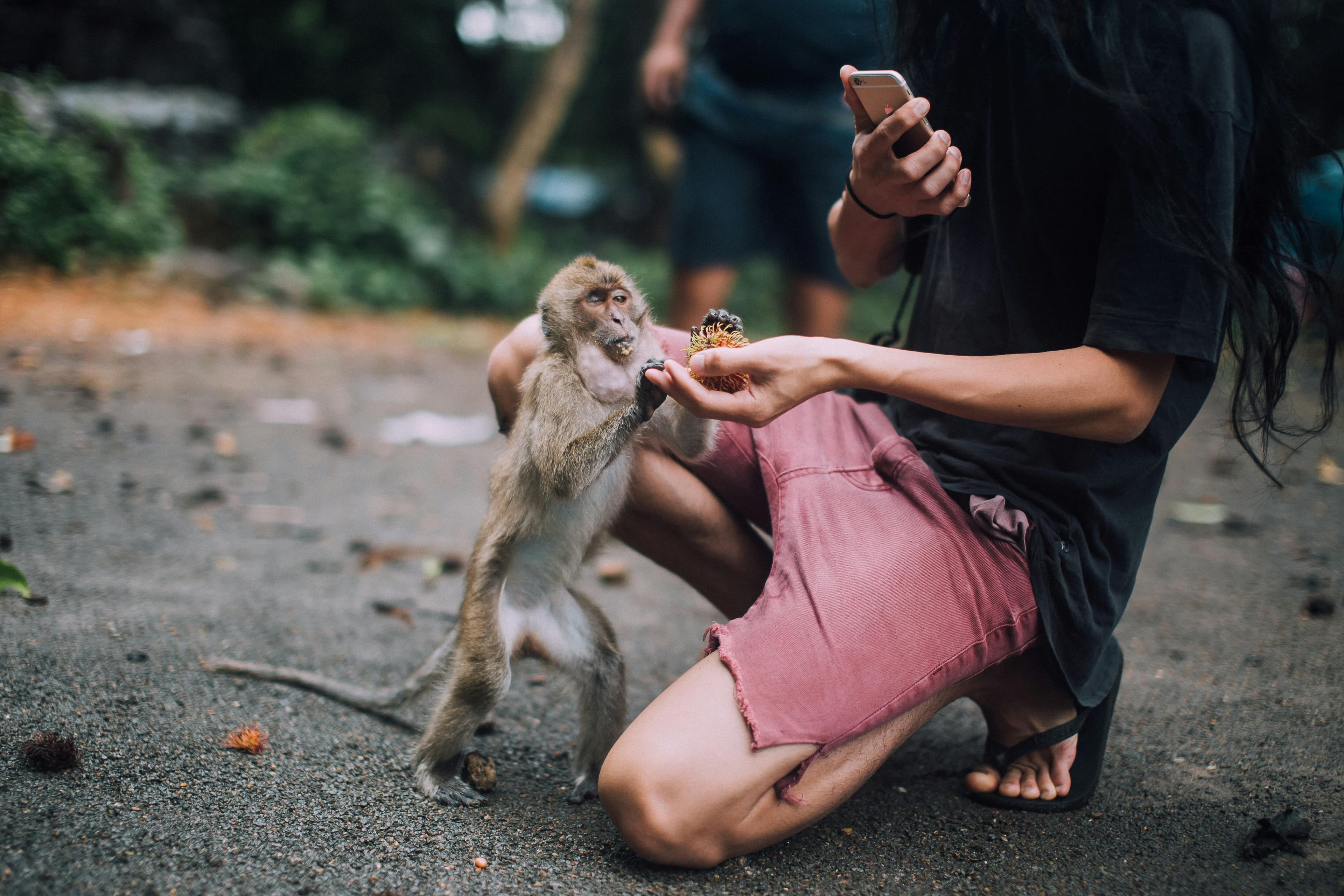
In the winter of 2025, residents in parts of Nagano and Yamaguchi reported frequent visits from Japanese macaques—snow monkeys—descending from mountains into residential areas.
They were not aggressive. They were observant.
Elderly residents noticed something unsettling: the monkeys waited. They watched humans unlock doors, place vegetables outside, leave warm spots unattended. These weren’t attacks. These were lessons in adaptation.
One shopkeeper said in a local interview:
“They don’t come like thieves. They come like neighbors who lost their home.”
That sentence traveled faster than any viral video.
The New Way to “Tell” Wild Animals
The old poem taught us to identify animals by what they did to us. 2025 taught us to identify them by what we did to them.
1. The Silent Ones Are the Most Displaced
In forests, silence used to mean safety. In cities, silence often means loss.
In Japan, civet cats began appearing at night near vending machines—not for curiosity, but for warmth. People realized that the animals making no noise were the ones running out of space.
Human lesson: Not every threat announces itself. Some just endure quietly until they can’t.
2. Aggression Is Often Confusion
In Hokkaido, a rare bear encounter made headlines when a bear wandered into farmland. Panic followed. But experts later confirmed the bear was malnourished, disoriented by unseasonal temperatures.
In the poem, a bear hugs too hard. In reality, it doesn’t want to hug at all—it wants to survive.
Human lesson: Fear grows when understanding disappears.
3. Disguise Is Not Deception—It’s Defense
The chameleon once symbolized trickery. In 2025, camouflage became a survival strategy for humans too—hiding emotions, hiding fears, hiding guilt.
In Japan, environmental artists painted disappearing animals on city walls—visible only at certain angles. You had to stop, look carefully, and then the animal appeared.
Just like real life.
Human lesson: What we don’t notice doesn’t mean it isn’t there.
When Humans Became the Ones to Be Identified
By mid-2025, a strange reversal occurred. Animals began reading humans better than humans read animals.
Monkeys learned feeding schedules. Birds learned traffic patterns. Deer learned park timings.
Animals adapted faster because they had no choice.
Humans, however, struggled—with denial.
A Japanese school introduced a lesson called Living Geography—students studied not just maps, but how animals once lived where malls now stand. Children were asked one question:
“If you were an animal, where would you go now?”
No one answered quickly.
Emotion in the Middle of the Conflict
This is not an environmental article filled with guilt. It is about recognition.
In 2025, a viral photo from Japan showed a vending machine surrounded by raccoon dogs during a snowstorm. Someone had left warm canned drinks untouched. No caption was needed.
People didn’t comment. They paused.
That pause mattered.
What 2025 Taught Us—Quietly
Animals didn’t invade cities. Cities invaded routes.
Survival doesn’t look noble—it looks desperate.
Humor from old poems hides serious truths we’re now living.
The poem once joked about knowing animals when they eat you or chase you. 2025 asked a harder question:
Can you recognize suffering before it reaches your doorstep?
A New Ending, Not a Moral
This is not a warning. It’s an invitation.
To observe more. To build slower. To leave space.
In Japan, some towns installed forest corridors—thin green paths connecting broken habitats. Animals used them immediately. No training. No adjustment period.
They were waiting.
The Emotional Cost of Coexistence
One thing that became clear by late 2025 was that coexistence is not free. It demands emotional maturity from humans—something technology never taught us. Sharing space with wild animals forces uncomfortable questions.
Are we willing to slow down construction? Are we willing to accept inconvenience? Are we willing to redesign comfort?
In Japan, some apartment complexes adjusted waste disposal timings after animals repeatedly appeared at night. Instead of blaming the animals, residents adjusted routines. It was a small act, but it reflected something rare: responsibility without resentment.
Media, Virality, and the Missing Context
In 2025, animal encounters often went viral within minutes. A monkey opening a fridge. A deer standing at a railway crossing. A bear wandering near a convenience store.
What rarely went viral was context.
Few videos explained why these encounters happened. Fewer still acknowledged human accountability. The algorithm favored surprise, not understanding.
This mattered because repeated exposure without explanation turns empathy into irritation. The blogosphere filled with complaints, while silence surrounded root causes.
What Japan Did Differently
Japan’s response was not perfect, but it was intentional. Instead of framing animals as intruders, many local governments framed them as indicators.
Indicators of:
- Climate imbalance
- Broken ecological corridors
- Poor urban planning
Temporary animal crossing signs were installed. Forest buffer zones were expanded instead of removed. Schools invited conservation workers not to scare children, but to normalize awareness.
Children Noticed What Adults Missed
In one Tokyo classroom, students were asked to write essays titled “If the Forest Could Speak.” Many essays did not blame humans directly. Instead, they expressed confusion.
“Why did we forget so fast?” one child wrote.
That question lingered.
Children did not see animals as threats. They saw them as messages.
The Role of Literature in a Digital Year
In a year dominated by AI tools, instant content, and short attention spans, revisiting poetry felt oddly necessary.
The humor of older poems once made danger feel distant. In 2025, that same humor softened conversations that would otherwise feel overwhelming.
Literature did not give solutions—but it gave language. And language helped people talk without shouting.
A New Way Forward: Awareness Without Panic
The goal is not to romanticize wildlife or dramatize conflict. The goal is awareness that does not rely on fear.
Simple steps emerged across communities:
- Respecting feeding bans
- Securing waste properly
- Supporting green corridors
- Reporting sightings responsibly, without panic
None of these required heroism. Only attention.
Conclusion: Learning Without Being Taught
In the end, 2025 didn’t teach us how to tell wild animals apart.
It taught us how similar survival makes us.
When food becomes uncertain, when shelter disappears, when the world shifts faster than adaptation—every species behaves the same.
We move closer. We watch quietly. We hope someone notices.
And sometimes, if we are lucky, someone does.
Inspiration Note: This modern reflection draws thematic inspiration from the classic poem “How to Tell Wild Animals” by Carolyn Wells, reimagined through the lived realities of 2025. The story, examples, and emotional framing are original and rooted in contemporary global experiences, particularly observations from Japan.
You may also like

How to Find B2B Leads Using AI in 2026: Best AI Lead Finder Tools
Arjak
Saturday, October 10, 2026

How Over-Optimization Is Killing Natural Learning in the Modern Age
AN
Monday, February 16, 2026

Why Deep Thinking Feels Uncomfortable in Today’s Digital World
Tim
Sunday, February 15, 2026