Saturday, January 3, 2026
The Future of Jobs in 2027: Skills You Need to Start Learning Today
Mohd Ayan

The Future of Jobs in 2027: Skills You Need to Start Learning Today
Prepare for 2027! Discover the key skills that will keep you relevant as AI and automation transform work, including communication, systems thinking, judgment, and human-centered abilities.
The Changing Workplace: Why 2027 Will Be Different

By 2027, AI, automation, and digital tools will reshape how work gets done. While machines handle routine tasks, humans who can think critically, communicate clearly, and make decisions in uncertain situations will be more valuable than ever.
The key question: Which skills will remain essential when AI handles repetitive work?
Automation Replaces Tasks, Not Entire Jobs
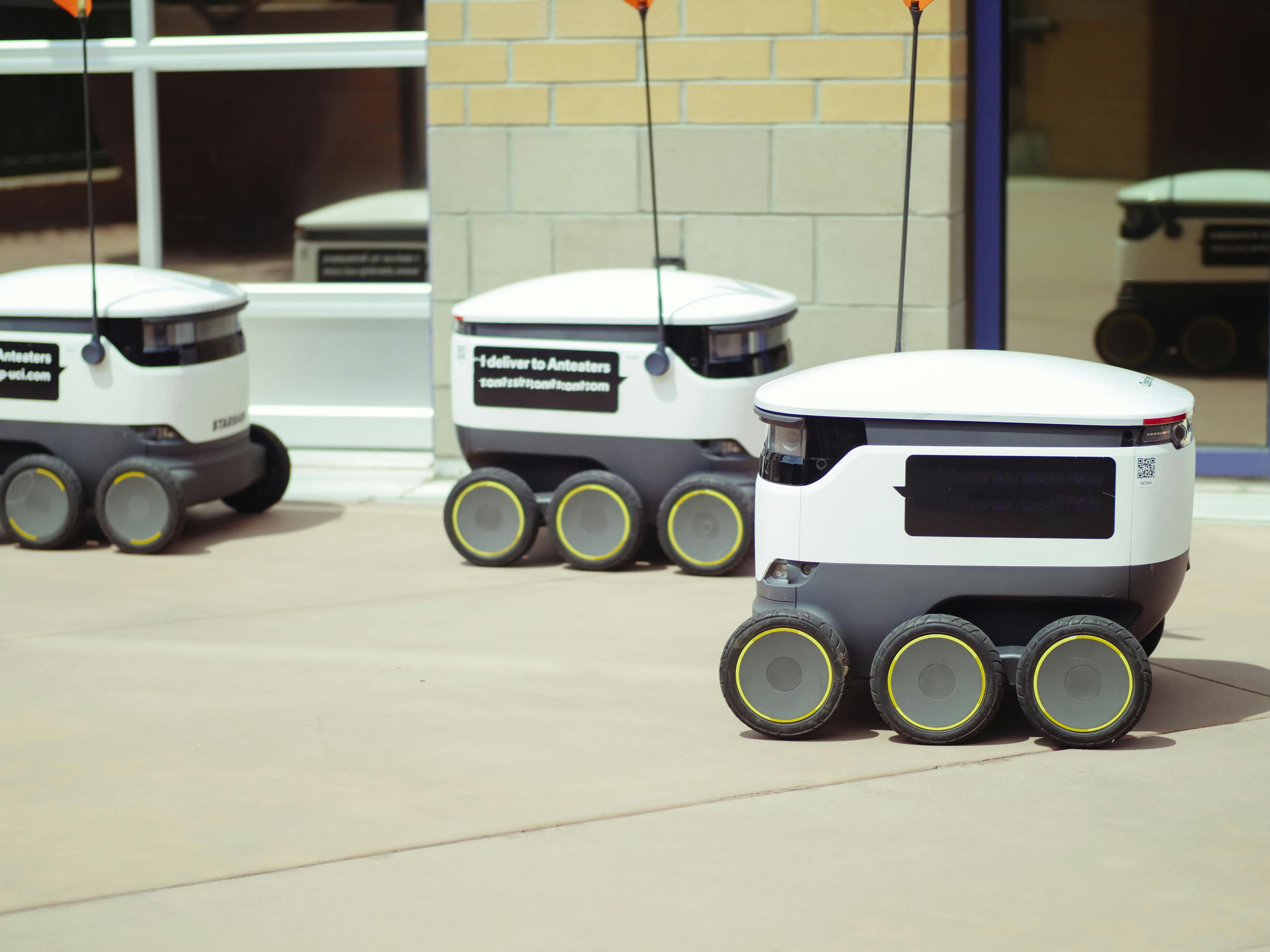
Many worry that AI will eliminate jobs completely. In reality, AI focuses on repetitive and predictable tasks:
- Drafting standard emails, reports, or content
- Data entry and basic analytics
- Template-driven customer support
Example: A marketer no longer needs to spend hours drafting copy—AI can generate drafts quickly. But strategic thinking, interpreting insights, and decision-making remain firmly in the human domain.
Key Insight: Jobs evolve rather than disappear. Humans who focus on judgment, creativity, and adaptability will remain indispensable.
Three Human Skills Machines Can’t Replace
AI can follow rules and detect patterns, but humans excel in ambiguity, intuition, and connection. By 2027, these three abilities will be critical:
1. Complex Communication and Persuasion
AI can generate text, but humans make messages resonate. Effective communicators:
- Translate complex ideas for diverse audiences
- Recognize emotional cues and unspoken concerns
- Inspire action rather than just inform
Example: A team leader guiding a diverse group through uncertainty provides far more value than one who only shares reports.
2. Systems Thinking Across Domains
Modern problems often span technical, financial, ethical, and human dimensions. AI handles narrow tasks well, but humans connect the dots:
- Understand interdependencies across domains
- Anticipate downstream consequences
- Make decisions that balance multiple factors
Example: A product manager integrating technology, user behavior, and supply chain knowledge can make holistic decisions no AI system can fully emulate.
3. Judgment Under Uncertainty
Humans excel when decisions cannot rely on formulas alone. This requires:
- Evaluating incomplete or ambiguous information
- Weighing trade-offs with unknown outcomes
- Learning from mistakes and iterating
Example: Healthcare professionals treating patients with multiple conditions exercise judgment far beyond pattern-based AI.
Domain-Specific Skills That Enhance Human Value
Alongside core abilities, certain specialized skills will continue to give humans an edge:
- AI literacy: Using AI effectively without needing to build it
- Data interpretation: Transforming raw data into actionable insights
- Human-centered design: Creating solutions aligned with real human needs
- Change management: Helping teams adapt to new tools and workflows
- Ethical reasoning: Making decisions with long-term impact in mind
These skills amplify human contribution rather than compete with machines.
Real-World Examples Across Industries
- Education: AI grades multiple-choice answers, but teachers interpret student struggles and provide personalized guidance.
- Finance: AI detects patterns in transactions, but humans assess risk, context, and ethical implications.
- Customer Experience: Chatbots handle FAQs, while humans resolve complex complaints and maintain trust.
These examples show that human skills complement AI, creating a partnership rather than a competition.
Learning Effectively for 2027
Success isn’t about collecting certificates—it’s about applied learning. Focus on:
- Depth over breadth: Master 2–3 high-impact skills
- Experience-driven practice: Apply knowledge in real projects
- Mentorship: Learn from experts in complex decision-making
- Reflection: Analyze what works, what fails, and why
Pro Tip: Treat challenging projects as mini-labs to practice judgment, communication, and synthesis.
The Opportunity Ahead
AI is not just a threat—it magnifies the value of human skills. Organizations will reward individuals who can:
- Navigate complexity
- Make adaptive decisions
- Communicate insights persuasively
Those who prepare now will thrive in 2027; those who wait risk being left behind.
Conclusion: Becoming More Human in an AI World
The future of work isn’t about competing with machines—it’s about honing what machines cannot replicate:
- Human judgment
- Creativity
- Empathy
- Perspective
By focusing on complex communication, systems thinking, and adaptive decision-making, you secure relevance and position yourself as a leader in a world transformed by AI.
The future isn’t waiting—it’s forming. Start preparing today.
You may also like
How to Find B2B Leads Using AI in 2026: Best AI Lead Finder Tools
Arjak
Saturday, October 10, 2026

How Over-Optimization Is Killing Natural Learning in the Modern Age
AN
Monday, February 16, 2026

Why Deep Thinking Feels Uncomfortable in Today’s Digital World
Tim
Sunday, February 15, 2026