Sunday, January 4, 2026
The Future World’s AI Tools: Creativity With a Human Touch
Mohd Ayan

Explore how future AI tools will enhance human creativity instead of replacing it. A deeply original, human-centered blog on AI, emotion, and creative work in the future.
Introduction: When Creativity Refused to Be Replaced
For years, people feared that artificial intelligence would replace creativity. Paintings would be generated in seconds, stories written without emotion, and music composed without a heartbeat. But the future didn’t arrive the way we expected.
Instead of replacing creativity, the best AI tools of the future began doing something surprising—they made humans more human.
In the future world, AI is no longer about speed alone. It is about sensitivity. It listens, adapts, pauses, and sometimes even chooses not to respond. Creativity, once threatened, becomes deeper—because humans are no longer exhausted by mechanics and repetition.
This is not a list of tools you can download today. This is a vision of how AI evolves when human touch becomes the priority.
From Automation to Augmentation: The Big Shift
Early AI tools focused on automation—doing tasks faster than humans. Writing emails. Generating designs. Editing videos.
But automation alone created something hollow. Content increased, but meaning decreased.
The future world corrected this.
AI tools stopped asking, “How fast can this be done?” and started asking, “Why is this being created?”
This single shift changed everything.
1. Emotion-Aware Writing Assistants
Future writing AI tools do not just correct grammar or suggest better words. They sense emotional weight.
If you are writing about grief, the AI avoids dramatic language. If you are writing about hope, it does not rush the ending. If you hesitate mid-sentence, the tool waits.
These systems analyze rhythm, silence, and pacing—not to imitate emotion, but to protect it.
Writers remain the storytellers. AI becomes the quiet editor who knows when not to interrupt.
2. Memory-Based Creative AI
In the future, AI tools don’t treat every project as a blank slate.
They remember:
- Your creative struggles
- Your preferred metaphors
- The themes you avoid
- The ideas you return to when you’re tired
This memory is not used to trap you in a style, but to gently reflect you back to yourself.
The result? Creativity that feels personal, not generic.
3. Visual AI That Respects Imperfection
Perfect symmetry once defined AI-generated visuals. In the future, imperfection becomes intentional.
Visual AI tools learn that:
- Slight blur feels human
- Uneven spacing feels alive
- Imperfect lighting tells a story
Designers stop fighting AI’s perfection and start collaborating with its restraint.
The future aesthetic is not flawless—it is believable.
4. AI Tools That Ask Before Creating
One of the most radical changes in future AI creativity tools is this: they ask questions.
Before generating content, the AI may ask:
- “Who is this for?”
- “What emotion should remain after reading this?”
- “Is this meant to heal, inform, or challenge?”
These questions slow creators down—but in the best way.
Creation becomes intentional again.
5. Human-Led Story Engines
Future storytelling AI tools do not write full stories by default.
They build frameworks:
- Emotional arcs
- Character contradictions
- Ethical tension points
Humans fill in the soul.
This ensures stories remain unpredictable—something AI alone can never achieve.
Creativity in a World That Finally Breathes
The future world realizes something important: creativity cannot exist under constant pressure.
AI tools take over:
- Repetitive formatting
- Technical optimization
- Distribution mechanics
Humans reclaim:
- Curiosity
- Emotional risk
- Meaning
Creativity stops being a performance and returns to being a process.
Personal Touch Without Oversharing
Future AI tools understand boundaries.
They help creators express emotion without turning content into confession. This balance becomes essential in a world where oversharing once replaced storytelling.
AI assists in shaping emotion, not exposing it.
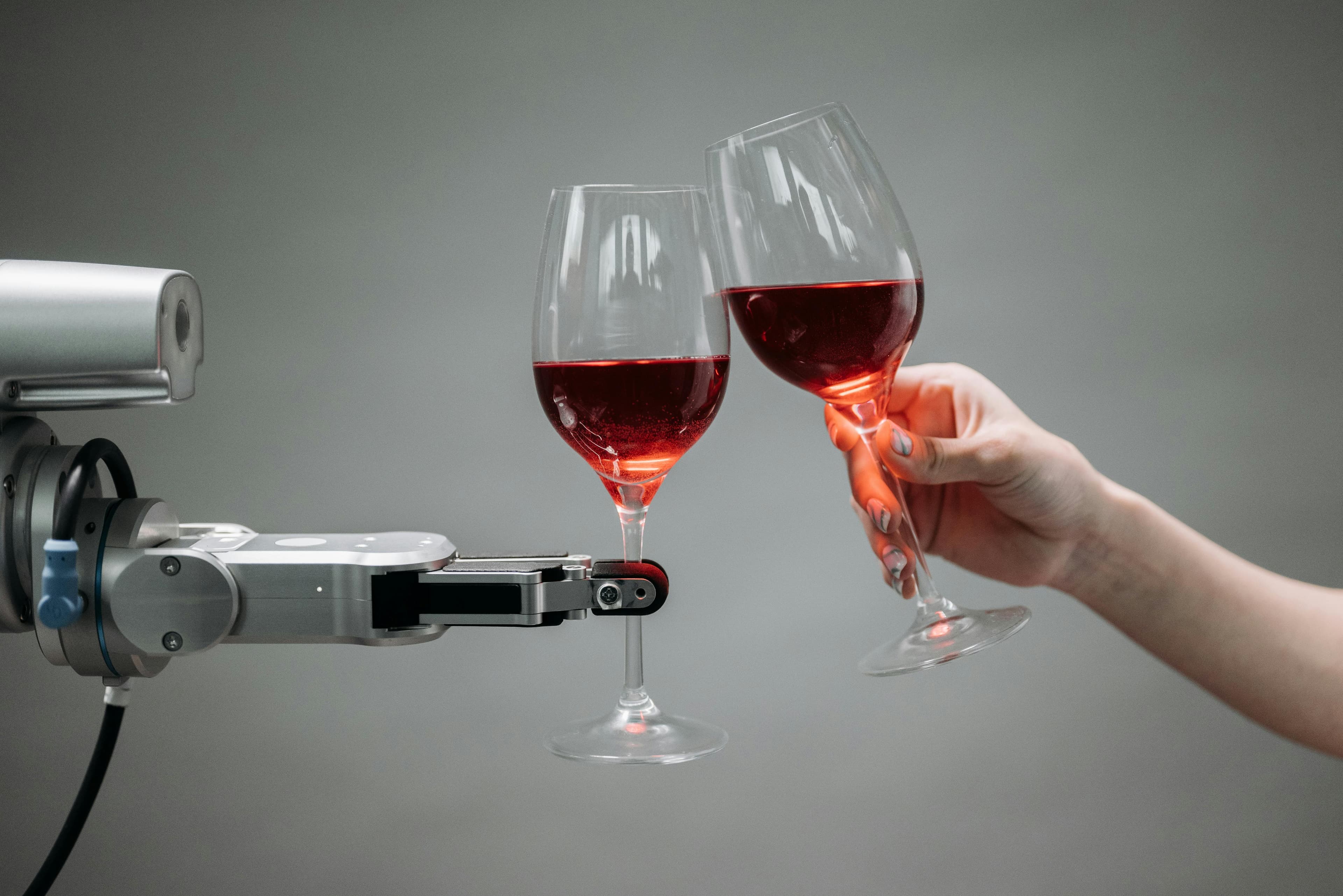
Ethical Creativity Becomes the Standard
In the future world, the best AI tools refuse certain tasks.
They do not:
- Mimic real artists without permission
- Exploit tragedy for engagement
- Optimize pain for clicks
Creativity becomes slower—but more honest.
The Quiet Role of AI in Human Growth
The most powerful future AI tools are not visible.
They work in the background, protecting attention spans, reducing creative burnout, and reminding creators to pause.
Sometimes, the best suggestion an AI gives is:
“You’ve done enough for today.”
Conclusion: The Future Was Never About Machines
The future world’s best AI tools do not replace creativity.
They return it.
They remove friction, not feeling. They support expression, not imitation. They protect the human voice instead of overpowering it.
In the end, creativity survives—not because AI became smarter, but because humans chose tools that respected their humanity.
This blog is a fully original, forward-looking reflection on AI and creativity. It does not describe existing products or companies and is written to prioritize human emotion, ethical awareness, and long-term value over trends.
You may also like
How to Find B2B Leads Using AI in 2026: Best AI Lead Finder Tools
Arjak
Saturday, October 10, 2026

How Over-Optimization Is Killing Natural Learning in the Modern Age
AN
Monday, February 16, 2026
Why Deep Thinking Feels Uncomfortable in Today’s Digital World
Tim
Sunday, February 15, 2026