Saturday, January 3, 2026
What a “Thief” Taught Me in the Age of Technology, AI, and Second Chances
mehran

In the digital world, people are quickly labeled.
One mistake becomes a permanent tag.
One bad decision follows you forever—screenshots, records, data trails.
In such a time, an old story about a young thief feels strangely futuristic.
Because the real question it asks is not about crime.
It is about this:
In a world obsessed with control, can trust still transform a human being?
A Survival Mindset in a High-Tech World
The boy in the story does not steal for thrill or status. He steals because survival taught him speed, deception, and detachment.
In 2026, survival looks different—but feels the same.
👉 Modern parallel:
A teenager learning “shortcuts” online.
A student copying assignments using AI without understanding.
A creator chasing virality instead of value.
Not because they are bad—but because they are scared of falling behind.
When life feels like a constant competition, morality becomes negotiable.
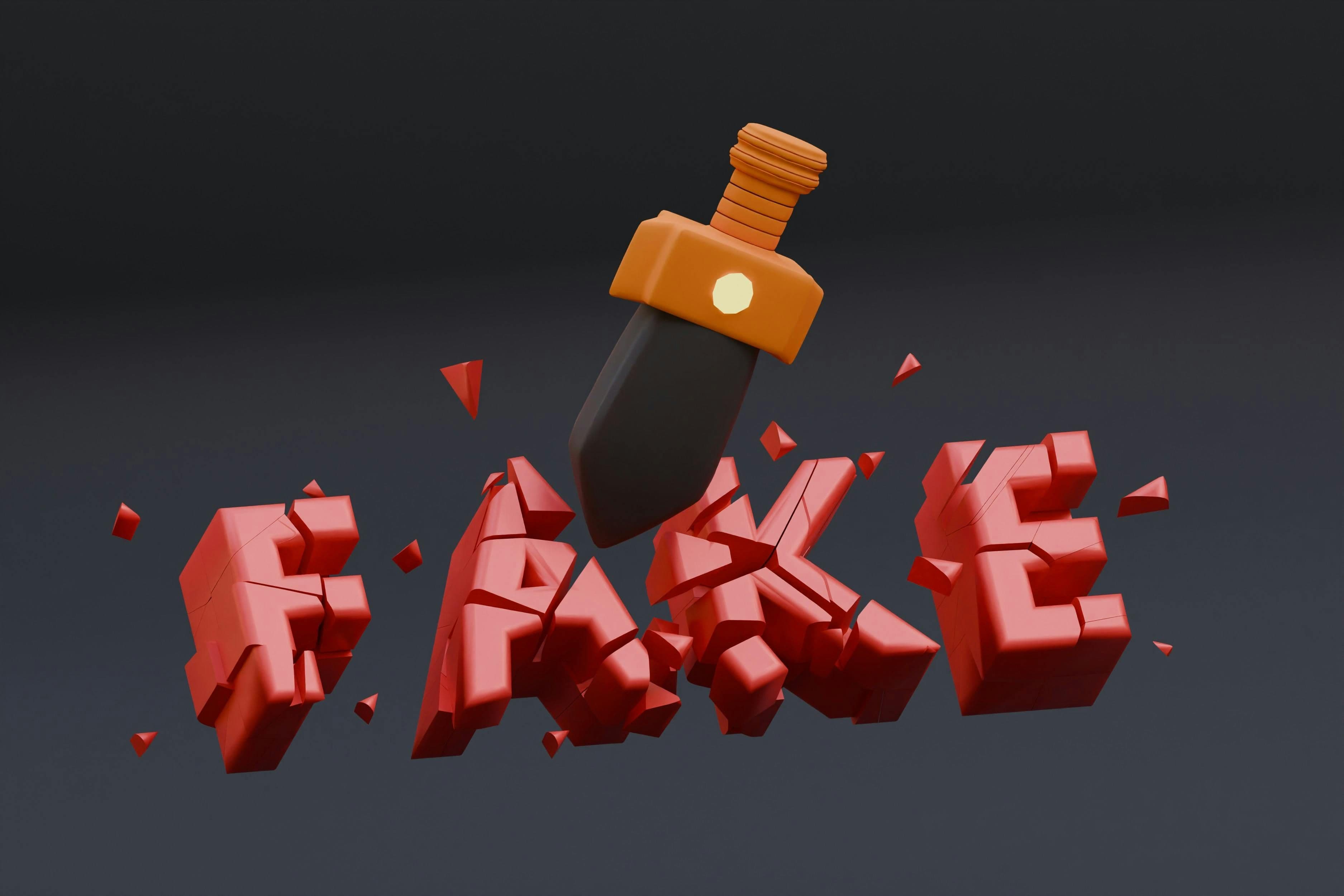
Identity Switching: From Fake Names to Online Personas
The boy changes his name often to stay invisible.
Today, people change identities digitally:
- Multiple accounts
- Fake confidence on LinkedIn
- Perfect lives on Instagram
- Anonymous opinions online
👉 Mental health truth:
When people don’t feel secure, they fragment themselves.
This is not cleverness.
This is emotional self-defense.
Anil’s Trust vs Modern Surveillance Culture
Anil does something that feels radical in 2026:
He trusts without monitoring.
No passwords.
No tracking.
No suspicion.
Today, we track everything:
- Screen time
- Productivity
- Attendance
- Output
But trust is missing.
👉 Human insight:
People improve faster when they feel trusted than when they feel watched.
Anil does not try to “fix” the boy.
He simply treats him like a human who hasn’t failed yet.
Why Kindness Feels Heavier Than Punishment
The boy could have stolen easily.
But he doesn’t.
Why?
Because disappointing a kind person creates inner conflict.
In psychology, this is called internal accountability—when morality comes from within, not fear.
👉 Everyday example:
You ignore rules easily.
But you hesitate before disappointing someone who believes in you.
That pause is growth.
Education as Cognitive Freedom, Not Just Skill Training
The real turning point is not money.
It is learning.
In a world full of online courses, certificates, and AI tutors, we forget this:
Education is not information—it is self-respect.
The boy realizes:
- Reading gives voice
- Writing gives identity
- Learning gives choice
👉 2026 relevance:
Skills without ethics create clever manipulators.
Education with values creates stable personalities.
Returning What Was Taken: Growth Without an Audience
The boy returns the money silently.
No apology post.
No redemption video.
No validation.
That silence matters.
Because today, growth is often performed, not lived.
👉 Human truth:
Real change happens when no one is watching.
What This Story Predicts About the Future
This story quietly warns us:
- Technology can amplify behavior, not fix it
- Systems don’t reform people—relationships do
- Mental health improves with safety, not pressure
- Education stabilizes identity before income
- Trust is a psychological accelerator
My Personal Take
Reading this story today, I don’t see a criminal.
I see:
- A mind shaped by insecurity
- A personality formed by lack of guidance
- A human waiting to be trusted
In the future, we will talk endlessly about AI ethics, data ethics, and automation ethics.
But human ethics still begin with compassion.
Final Thought for the Tech Generation
This is not a story about stealing money.
It is about stealing back your own humanity.
Note: This article is a reflective, original interpretation inspired by “The Thief’s Story” by Ruskin Bond. It is not a retelling or reproduction of the original text, but a modern, future-focused perspective built around its central themes.
And it leaves us with one uncomfortable question:
👉 In a future where we control everything with technology—will we still know how to change people with kindness?
You may also like
How to Find B2B Leads Using AI in 2026: Best AI Lead Finder Tools
Arjak
Saturday, October 10, 2026

How Over-Optimization Is Killing Natural Learning in the Modern Age
AN
Monday, February 16, 2026

Why Deep Thinking Feels Uncomfortable in Today’s Digital World
Tim
Sunday, February 15, 2026