Friday, January 23, 2026
What Happens When Everyone Becomes a Creator? The Future of the Creator Economy
Marya
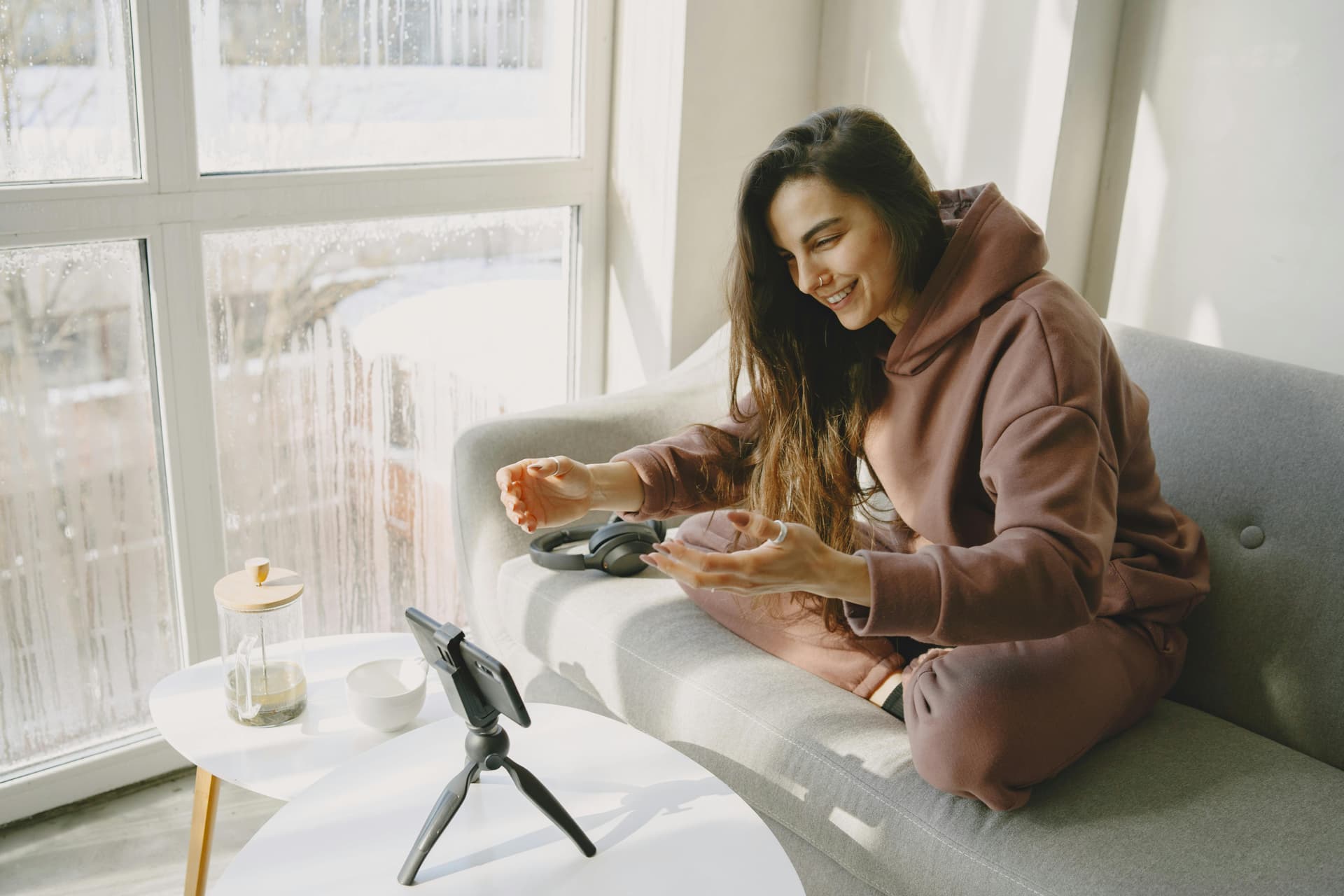
What Happens When Everyone Becomes a Creator
Explore what happens when everyone becomes a creator. Learn how the creator economy is reshaping jobs, identity, mental health, and opportunity in a digital world.
Introduction: The Day Creation Became Normal
Not long ago, being a “creator” sounded like something reserved for artists, YouTubers, writers, musicians, or influencers with millions of followers. Today, it’s different. A school teacher shares lesson reels on Instagram. A shop owner films behind-the-scenes videos of packing orders. A college student writes threads on X (Twitter) about productivity. A software engineer records coding tutorials on YouTube. A home cook posts daily recipes on WhatsApp Channels.
Creation is no longer rare. It’s becoming normal.
So what actually happens when everyone becomes a creator? Does it lead to opportunity or chaos? Freedom or burnout? Authentic expression or noisy imitation?
This article explores the deep social, economic, and psychological changes happening right now—and what the future might look like when creation becomes as common as conversation.
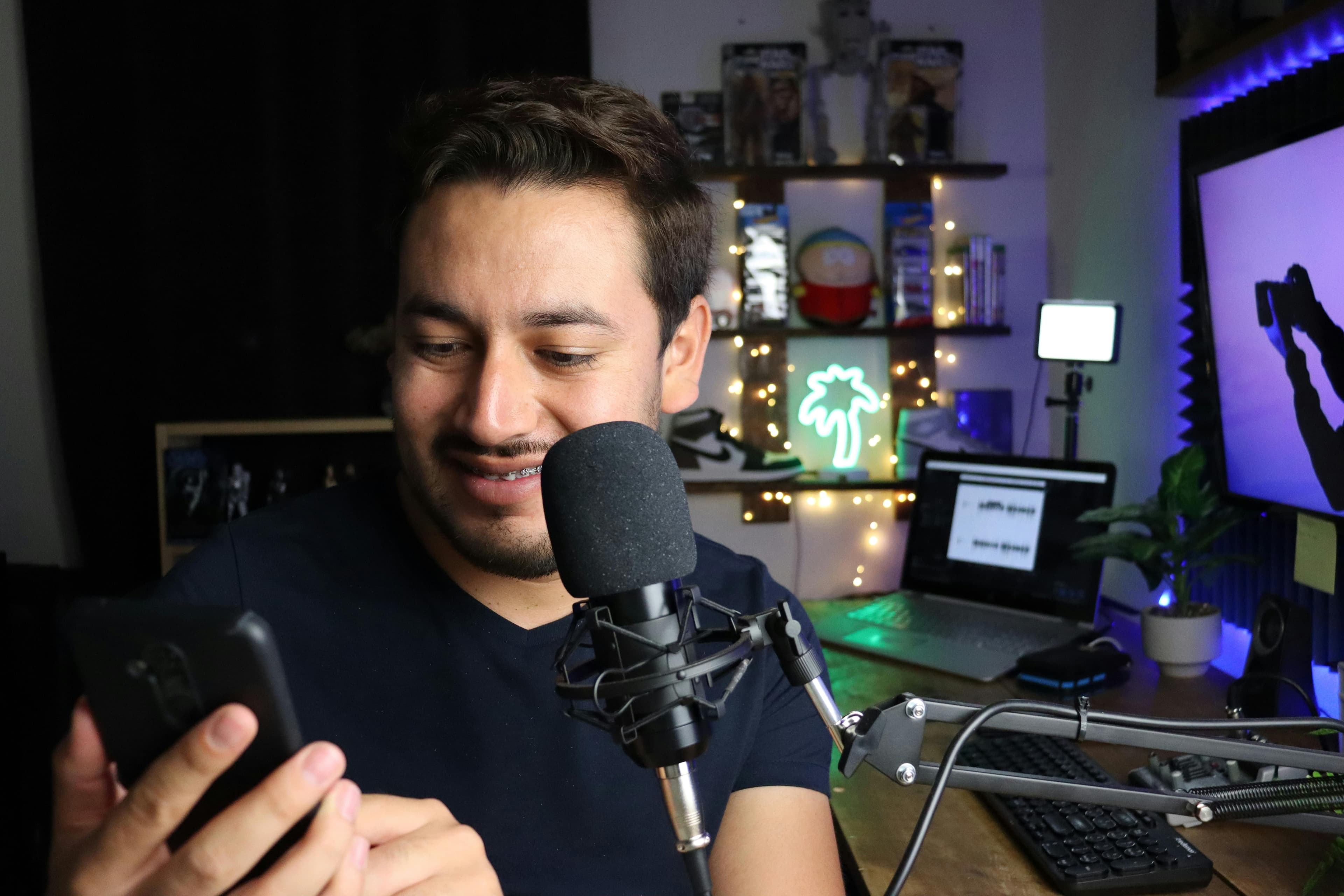
The Rise of the Everyday Creator
We are living through a historic shift. Smartphones, social platforms, AI tools, and cheap internet have turned billions of people into potential publishers.
In the past, if you wanted to share ideas with the world, you needed:
- A newspaper editor’s approval
- A TV studio
- A book publisher
- Expensive equipment
Today, all you need is:
- A phone
- A platform
- An idea
This democratization of creation has blurred the line between professionals and amateurs. The barrier to entry is so low that creativity has become a daily habit instead of a special event.
People now create content for:
- Personal branding
- Income
- Community
- Self-expression
- Learning
- Fun
Creation has moved from the margins to the mainstream.
A Human Example: Ramesh, the Local Shop Owner
Ramesh owns a small kirana store in a quiet Indian neighborhood. For 15 years, his business depended only on foot traffic.
One day, his 19-year-old son helped him make a simple WhatsApp broadcast list. They started posting daily updates:
- New stock arrivals
- Discount offers
- Festival specials
- Short videos showing fresh vegetables
At first, only 20 people watched.
Six months later, 800 people were following his updates. Orders came through messages. Home deliveries increased. His revenue grew by 35%.
Ramesh didn’t become an influencer.
He became a creator in a practical, grounded way.
This is what “everyone becoming a creator” really looks like: ordinary people using creativity to improve everyday life.
The Positive Impact of Universal Creation
1. Economic Opportunity Without Gatekeepers
When everyone becomes a creator, opportunity spreads.
You no longer need permission to start:
- A digital product
- A course
- A YouTube channel
- A newsletter
- An online store
People from small towns and rural areas can reach global audiences. Side incomes grow into full businesses. Skills that were invisible now become monetizable.
Creation is becoming a new form of entrepreneurship.
2. A More Diverse Internet
When creation was limited to elite institutions, voices were narrow.
Now we hear:
- Regional dialects
- Cultural traditions
- Local problems
- Real-life experiences
The internet becomes richer and more human.
Diversity of creators means diversity of ideas.
3. Faster Learning and Knowledge Sharing
People now teach what they learn in real time.
A student shares exam prep strategies. A freelancer posts client lessons. A farmer explains organic methods.
Knowledge moves faster than ever.
Learning becomes social and continuous.
4. Psychological Empowerment
Creation gives people:
- A sense of voice
- A sense of agency
- A sense of purpose
Instead of passively consuming, people actively contribute.
This shift from consumer to creator improves confidence and identity.
The Hidden Downsides No One Talks About
Every revolution brings problems.
When everyone becomes a creator, the system also produces:
1. Noise Over Signal
If millions post daily, attention becomes scarce.
Good content gets buried under mediocre content.
Algorithms favor:
- Shock
- Drama
- Trends
Quiet wisdom often loses.
The internet becomes louder, not smarter.
2. Burnout Culture
Creators now feel pressure to:
- Post daily
- Go viral
- Stay relevant
What started as fun becomes obligation.
People measure self-worth through views and likes.
Burnout spreads silently.
3. Copy-Paste Creativity
Trends dominate.
People replicate:
- Reels
- Hooks
- Scripts
Originality declines.
Everyone sounds the same.
4. The Monetization Trap
Not every creator should monetize.
But social pressure pushes people to:
- Sell courses
- Launch coaching
- Add affiliate links
Value gets replaced by hype.
Trust erodes.
What Happens to Jobs When Everyone Creates?
Traditional jobs are already changing.
People no longer rely on a single employer.
They build:
- Personal brands
- Side projects
- Digital assets
In the future:
- Every professional will be part-creator
- Resumes will include content portfolios
- Employers will hire based on demonstrated work, not degrees
Creation becomes career insurance.
The Psychological Shift: Identity in the Creator Era
When everyone creates, identity changes.
People stop asking:
“What job do you do?”
And start asking:
“What do you create?”
This shift has consequences:
- People define themselves by output
- Comparison increases
- Performance anxiety grows
We must learn to separate:
Who we are from what we publish
Otherwise, the creator economy will damage mental health.
The Role of AI in a World of Creators
AI is accelerating everything.
Now anyone can:
- Write blogs
- Design graphics
- Edit videos
- Create music
This raises important questions:
- What counts as creativity?
- Who owns originality?
- Will human voice disappear?
The future will reward:
- Authentic experiences
- Unique perspectives
- Emotional intelligence
Not just technical production.
The New Social Contract of Creation
When everyone becomes a creator, society must adapt.
We need:
Digital literacy education
Ethical content standards
Mental health awareness
Platform accountability
Creator rights protection
Creation must become sustainable, not extractive.
A Second Human Example: Ayesha, the Silent Writer
Ayesha works as a data entry operator.
She writes poetry at night.
For years, no one read it.
One day, she posted a short poem on LinkedIn.
It got 200 likes.
Encouraged, she posted weekly.
Two years later:
- She has 30,000 followers
- Her poems are featured in online magazines
- She earns from workshops
She didn’t chase trends.
She stayed honest.
She built slowly.
This is the healthier side of mass creation.
The Future: From Creator Economy to Creator Society
We are moving beyond a creator economy.
We are entering a creator society.
In this world:
- Creation is normal
- Expression is expected
- Learning is shared
- Identity is public
But for this future to be healthy:
We must:
- Value depth over virality
- Encourage rest over hustle
- Reward originality over imitation
- Support mental health over metrics
Final Thoughts: Creation Is Power, But It Needs Wisdom
When everyone becomes a creator, the world becomes more expressive, more diverse, and more opportunity-rich.
But without wisdom, it also becomes louder, shallower, and more exhausting.
Creation is power.
But power needs discipline.
The future doesn’t belong to the loudest creators.
It belongs to the most honest ones.
The ones who create not just for attention—but for meaning.
You may also like
How to Find B2B Leads Using AI in 2026: Best AI Lead Finder Tools
Arjak
Saturday, October 10, 2026

How Over-Optimization Is Killing Natural Learning in the Modern Age
AN
Monday, February 16, 2026
Why Deep Thinking Feels Uncomfortable in Today’s Digital World
Tim
Sunday, February 15, 2026