Sunday, January 4, 2026
When Animals Survive but Freedom Doesn’t: A 2026 Reality We Can’t Ignore
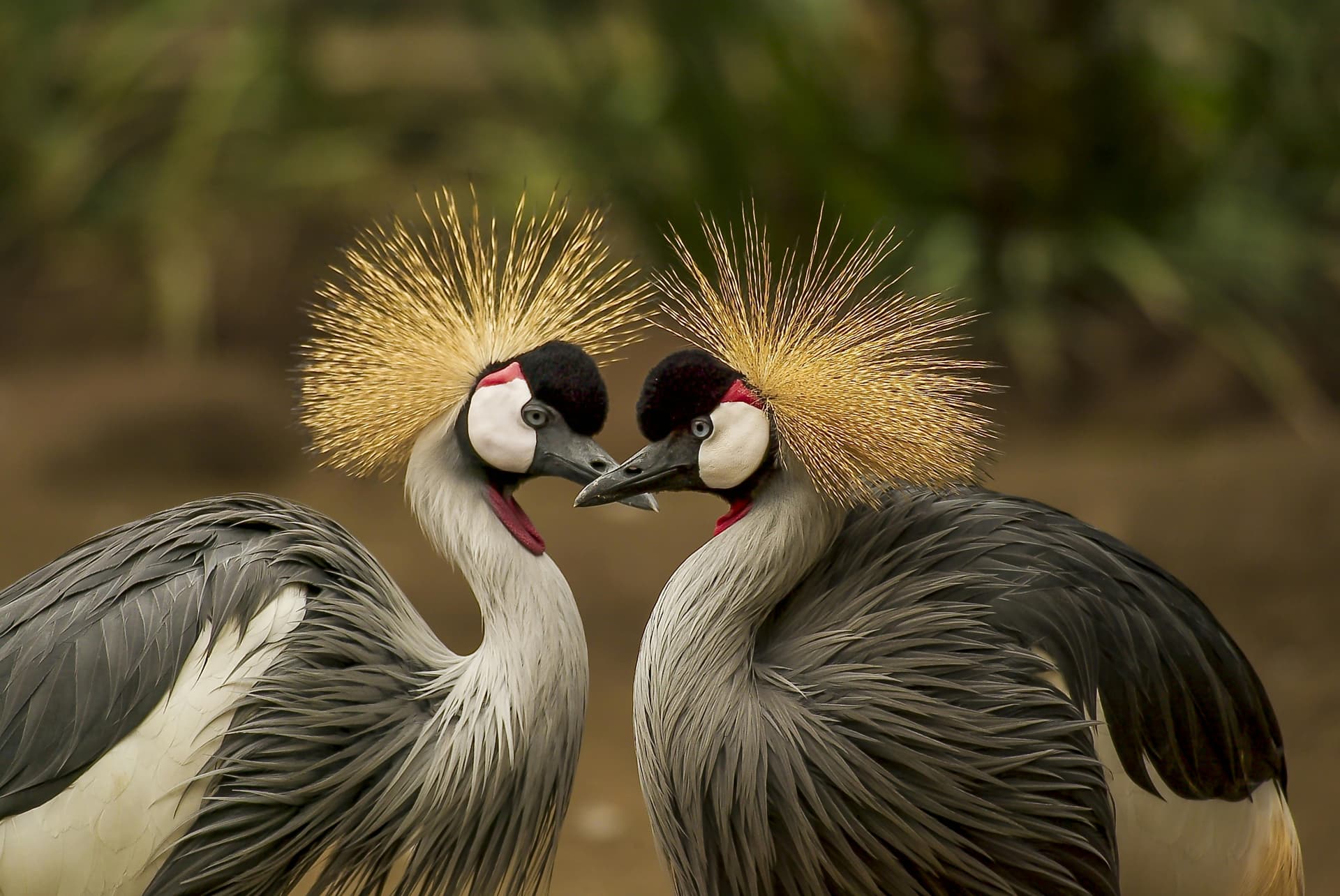
In 2026, animals are protected yet restricted. This modern blog explores the hidden challenges animals face today—beyond cages, zoos, and conservation headlines.
Introduction: Survival Is No Longer the Only Question
In 2026, the conversation around animals has changed.
The debate is no longer only about extinction. Many species still exist. Laws protect wildlife. Conservation projects receive funding. Zoos and sanctuaries claim to provide safety, food, and medical care.
On the surface, this looks like progress.
Yet a deeper question remains unanswered:
Is survival enough if freedom is missing?
Animals today are often alive, healthy, and visible—but disconnected from the life they were designed to live. This silent issue rarely trends online, yet it defines the reality of millions of animals across the world.
Protection Without Freedom: A Modern Paradox
Modern society has learned how to protect animals physically. However, emotional, instinctual, and environmental freedom often remain overlooked.
Protection now comes with boundaries:
- Enclosures instead of open landscapes
- Controlled breeding instead of natural selection
- Scheduled feeding instead of hunting or foraging
This creates a paradox: animals are safe, but restrained.
While these systems aim to reduce harm, they also reshape animal lives around human convenience, tourism, and management efficiency.
The Evolution of the Cage
Cages today are not always made of iron bars.
They appear as:
- Glass enclosures with climate control
- Artificial forests designed for visibility
- Wildlife parks surrounded by roads and cities
- Reserves that animals cannot leave
These environments are carefully engineered, yet they remain limited. Animals can move—but only within assigned boundaries. They can rest—but not roam. They can exist—but not choose.
The cage has evolved, but confinement remains.
Loss of Instinct: A Hidden Cost
Wild animals are guided by instinct. Migration, hunting, territorial movement, and seasonal behavior are essential parts of their identity.
In modern controlled environments:
- Predators no longer hunt
- Migratory animals remain stationary
- Natural competition is removed
- Survival skills slowly weaken
Over time, instinct fades—not suddenly, but quietly.
An animal that no longer uses its instincts does not visibly suffer, yet something essential disappears. Life becomes repetitive rather than purposeful.
Entertainment Disguised as Education
Many animal spaces promote themselves as educational.
While awareness is important, the line between learning and entertainment is often blurred.
Animals are:
- Watched constantly
- Expected to be active on demand
- Filmed, photographed, and shared
- Judged by how interesting they appear
An animal resting naturally is often misunderstood as lazy.
An animal reacting to stress may be labeled aggressive.
This human-centered interpretation ignores the animal’s natural rhythms and emotional limits.
The Impact of Noise, Light, and Human Presence
Animals in captivity or semi-captivity live in environments filled with unnatural stimuli:
- Traffic sounds
- Artificial lighting
- Camera flashes
- Continuous human movement
Even when food and shelter are adequate, constant disturbance affects behavior.
Stress does not always show as illness.
Sometimes it shows as silence, repetitive movement, or emotional withdrawal.
These signs are easy to miss—but deeply significant.
Wildlife Without Wilderness
One of the most serious modern challenges is habitat fragmentation.
Forests are divided into small sections. Grasslands are crossed by highways. Rivers are redirected. Migration paths disappear.
Animals may still exist, but:
- They cannot travel freely
- They cannot adapt naturally
- They cannot expand territory
This creates isolated populations that depend heavily on human intervention to survive.
Wildlife without wilderness becomes dependent rather than resilient.
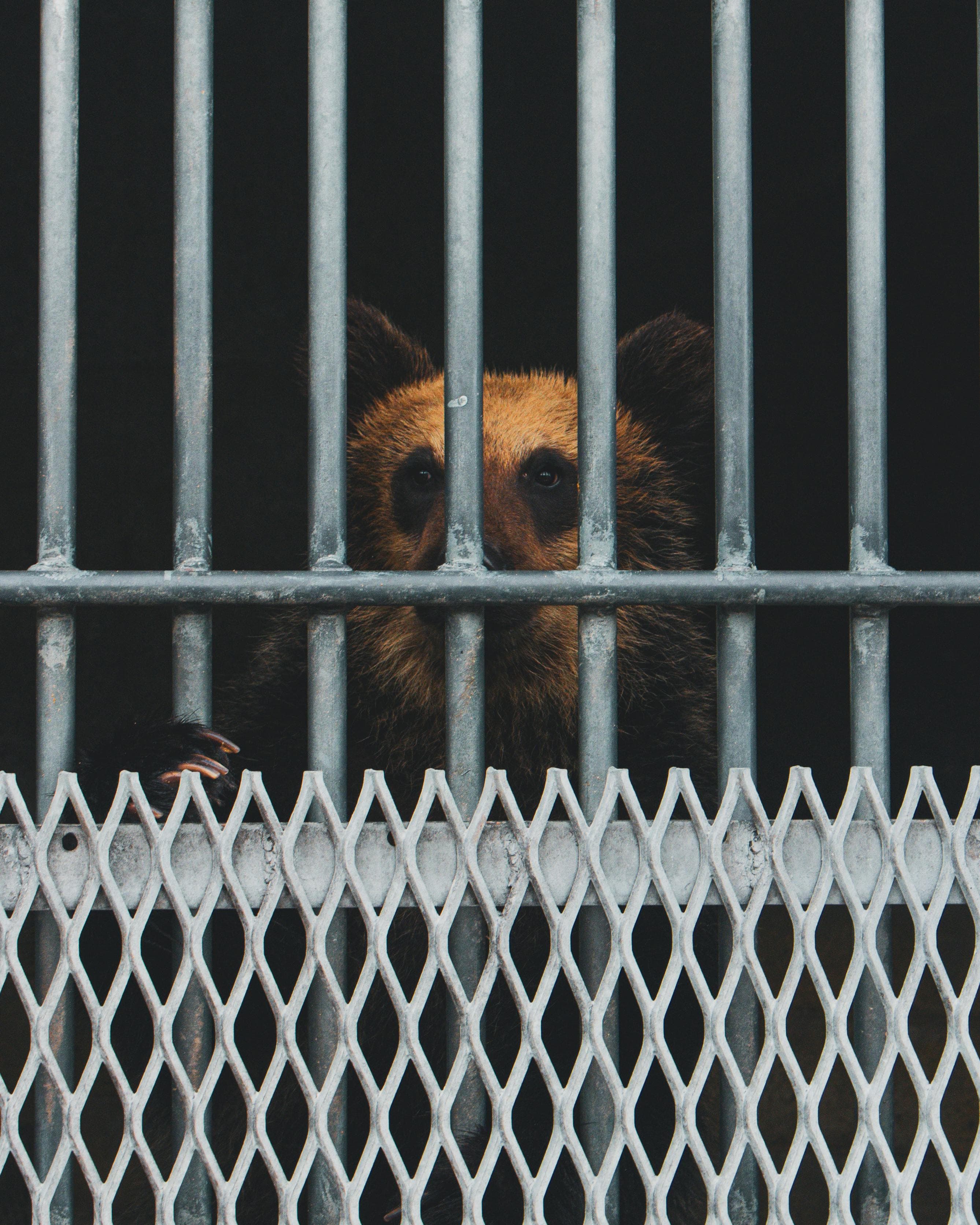
Conservation or Control?
Modern conservation often focuses on numbers:
- Population counts
- Breeding success
- Survival rates
While these metrics matter, they do not measure quality of life.
True conservation should ask:
- Can the animal express natural behavior?
- Does it experience choice and challenge?
- Is it living or merely being managed?
When conservation turns into long-term containment, its purpose needs reevaluation.
A Reflection of Human Society
The treatment of animals mirrors modern human life.
Humans too experience:
- Over-structured routines
- Reduced connection with nature
- Comfort without fulfillment
- Safety without freedom
Cities prioritize efficiency over balance. Technology reduces effort but increases detachment. In controlling nature, society often reflects its own internal constraints.
The issue is not cruelty—it is disconnection.
What Ethical Care Could Look Like
Ethical animal care in 2026 requires a shift in thinking.
It means:
- Protecting large, connected habitats
- Reducing unnecessary human interference
- Designing cities that respect migration paths
- Limiting wildlife exposure to constant observation
Sometimes, the most responsible action is not visibility, but restraint.
Animals do not need to be seen constantly to be valued.
Rethinking Our Role
Humans often position themselves as protectors of nature.
But protection should not mean ownership.
A respectful role recognizes limits:
- Not every animal needs to be displayed
- Not every forest needs access
- Not every species needs human management
Coexistence works best when boundaries are mutual—not one-sided.
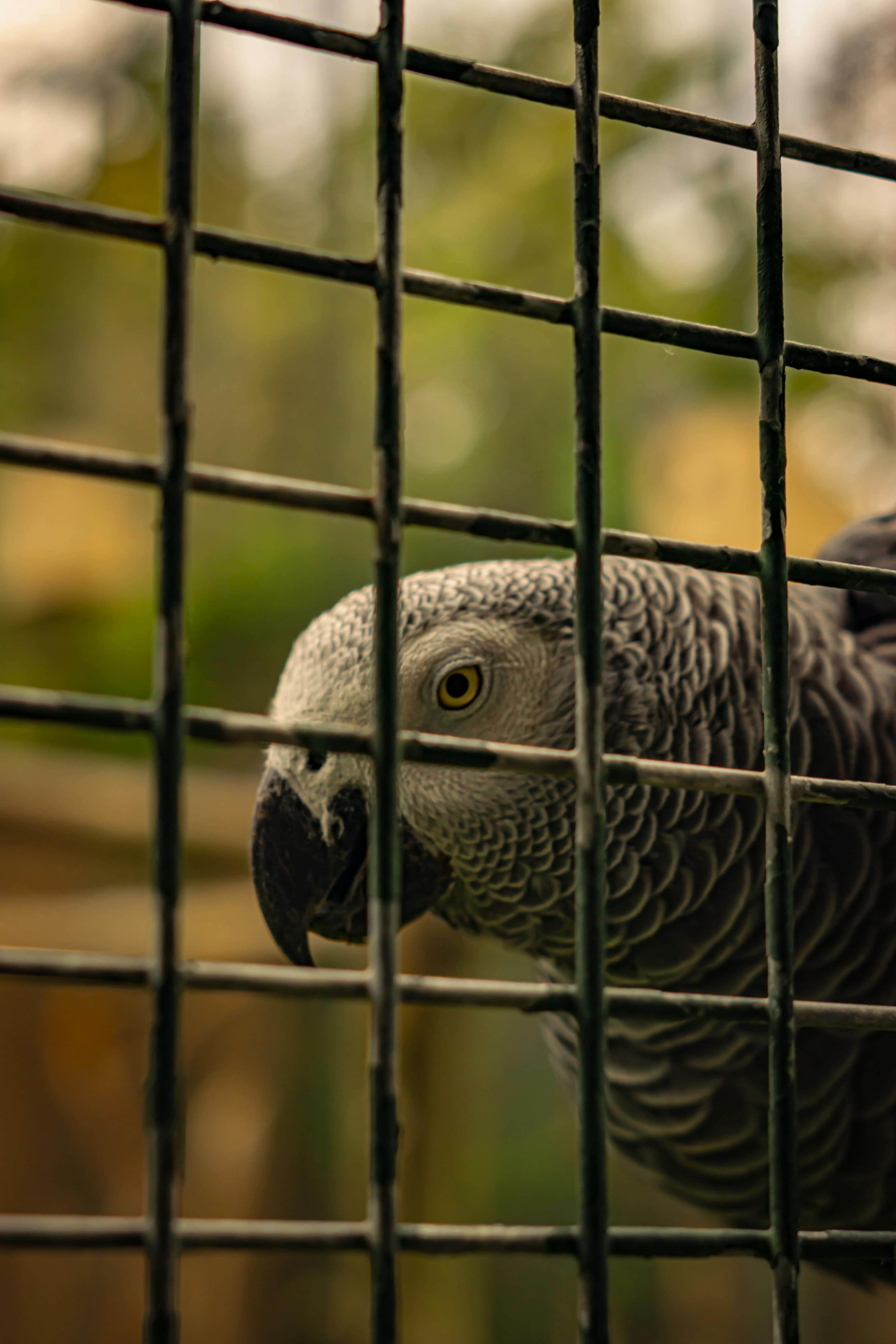
The Question That Defines the Future
As society moves forward, one question becomes essential:
If an animal is alive but cannot live naturally,
if it is safe but cannot choose,
if it survives but does not belong to its world—
Is that success?
The answer will shape how future generations treat not only animals, but life itself.
Conclusion: Letting Life Remain Wild
In 2026, animals do not face extinction alone.
They face adaptation to a world built for humans.
Progress should not only preserve life—but preserve its essence.
Sometimes, the most humane choice is to step back.
To protect without controlling.
To care without consuming.
Because life—human or animal—was never meant to be perfectly managed.
It was meant to be alive.
Inspiration Note
This article is inspired by the central idea of animals living in confinement, commonly explored in literature and environmental discussions. The theme reflects how modern society protects animals physically while often limiting their natural freedom.
However, this blog does not copy or retell any poem, textbook explanation, or literary lines. Instead, it reimagines the idea in a 2026 global context, focusing on contemporary issues such as habitat fragmentation, controlled conservation, urban expansion, and human–animal coexistence.
The content is written to encourage awareness, ethical thinking, and responsibility toward animals in today’s world, using original language, modern examples, and independent interpretation.
You may also like

How to Find B2B Leads Using AI in 2026: Best AI Lead Finder Tools
Arjak
Saturday, October 10, 2026

How Over-Optimization Is Killing Natural Learning in the Modern Age
AN
Monday, February 16, 2026

Why Deep Thinking Feels Uncomfortable in Today’s Digital World
Tim
Sunday, February 15, 2026