Friday, January 23, 2026
When Medical Advice Is Always Available: How It’s Changing Our Health Decisions
zainab
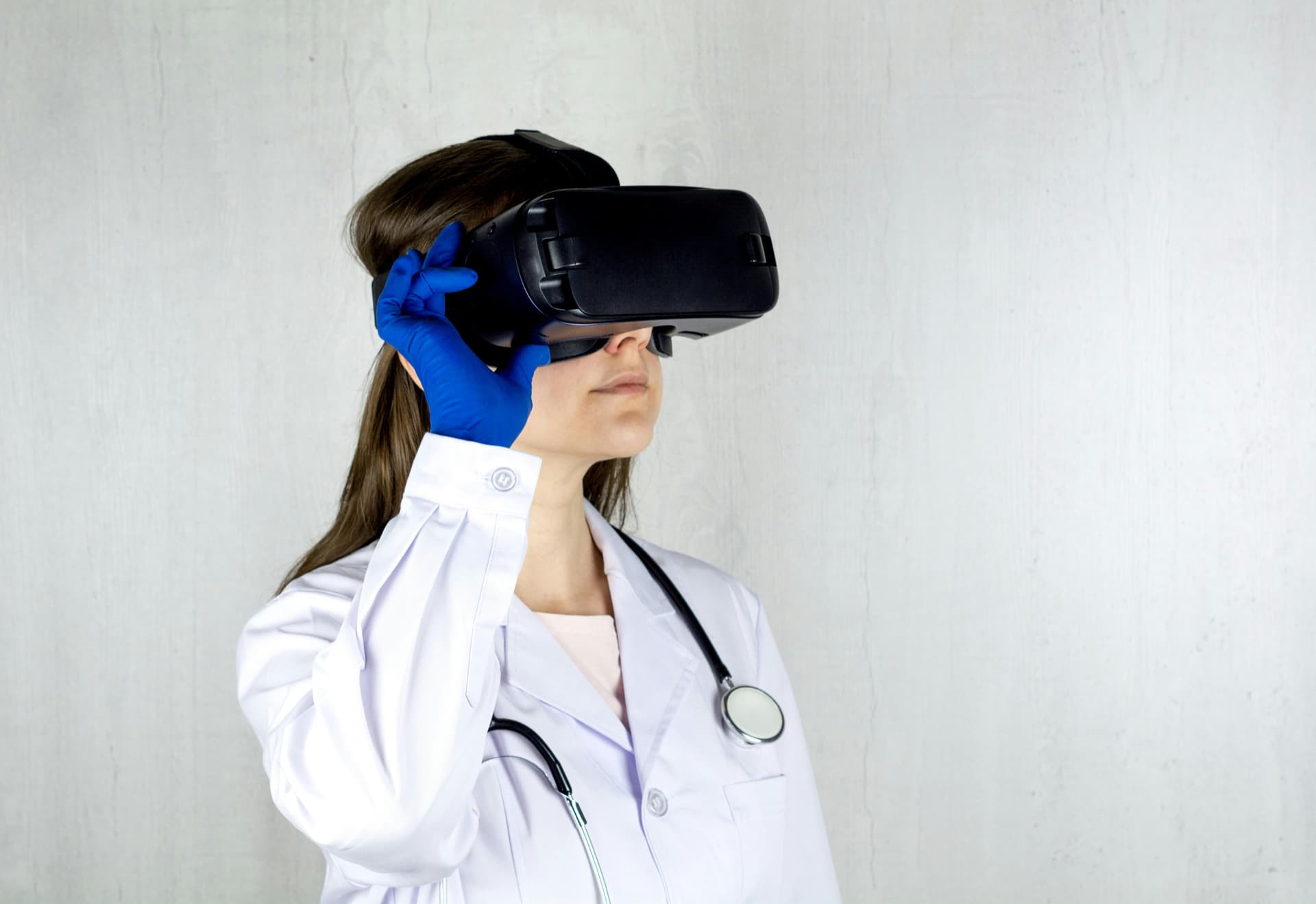
What Happens When Medical Advice Is Always Within Reach?
Medical advice is now available 24/7. Discover how digital healthcare is changing our decisions, trust in doctors, and mental well-being.
A quiet revolution in healthcare
Not very long ago, getting medical guidance followed a familiar routine. You called a clinic, waited for an appointment, sat in a crowded reception area, and finally described your symptoms to a doctor who had just a few minutes for you.
Today, something extraordinary has happened.
Medical advice no longer lives inside clinic walls. It lives inside phones. Inside smartwatches. Inside apps. Inside late-night Google searches. Inside chat windows that answer instantly.
We now live in a world where medical guidance is always present — morning, midnight, and every moment in between.
That sounds like progress. And in many ways, it absolutely is.
But when healthcare becomes permanently accessible, it doesn’t just change how we treat illness. It quietly reshapes our habits, our fears, our trust, and our understanding of what it even means to be “healthy.”
So what really happens when medical advice is always available?

1. A new kind of doctor–patient relationship
The biggest shift isn’t technological. It’s psychological.
People no longer approach doctors as the only gatekeepers of medical knowledge. They approach them after reading articles, watching videos, scanning forums, and checking apps.
Patients arrive informed, suspicious, confident, anxious, or half-convinced they already know the diagnosis.
This changes the dynamic.
Doctors now spend more time correcting misinformation and less time explaining basic concepts. Patients sometimes trust online sources more than professional judgment.
Healthcare has become collaborative — but also fragmented.
2. When instant access becomes a life advantage
There is no denying the upside.
Early action, earlier survival
Consider this situation:
A factory supervisor named Mohit noticed his hands trembling slightly and felt unusually fatigued for two weeks. He ignored it at first. One evening, he logged symptoms into a health app out of curiosity. The results suggested a possible neurological issue and urged immediate medical testing.
Mohit scheduled a same-day teleconsultation. The doctor flagged a potential vitamin deficiency masking early nerve damage. With treatment, his condition stabilized.
If he had waited another few months, the damage could have been permanent.
Sometimes, speed is the difference between recovery and regret.
3. Healthcare without geography
Always-available advice has quietly erased location barriers.
Someone living in a remote village can now:
• Consult a cardiologist in a metro city
• Upload reports
• Receive prescriptions
• Get second opinions
• Track chronic conditions
This is not futuristic. It’s already happening.
For millions of people who previously had limited healthcare access, this change is nothing short of transformative.
4. The information flood nobody prepared for
But abundance has a shadow side.
When medical advice becomes infinite, filtering becomes the real problem.
A single symptom typed into a search bar can produce:
• 50 mild explanations
• 10 moderate risks
• 3 terrifying worst-case scenarios
The human brain isn’t built to interpret medical probability.
It gravitates toward danger.
5. The new illness nobody talks about: digital health anxiety
Here’s a familiar story:
A 21-year-old engineering student named Riya felt occasional heart palpitations during exam season. She searched online. The top results mentioned arrhythmia and cardiac disorders.
For the next ten days, she monitored her pulse obsessively. She avoided caffeine. She couldn’t sleep. She convinced herself she was seriously ill.
A doctor later confirmed it was stress-induced palpitations.
The condition wasn’t her heart.
It was her search history.
When medical advice is always available, fear is always one click away.
6. Self-diagnosis: confidence without competence
Another unintended outcome: people now diagnose themselves.
Symptom checkers, health blogs, and social media posts make it feel easy.
But medicine is not pattern matching.
It’s context, probability, nuance, and exclusion.
A marketing executive named Sameer believed his digestive pain was acid reflux because a popular wellness influencer said so. He treated himself with antacids for six months.
When the pain became unbearable, tests revealed a gallbladder issue requiring surgery.
Access without expertise creates false certainty.
7. Telemedicine: a miracle with blind spots
Telemedicine has reshaped healthcare access.
It is:
• Fast
• Convenient
• Affordable
• Accessible
• Time-saving
But it also lacks:
• Physical examination
• Immediate lab diagnostics
• Non-verbal patient cues
• Emergency intervention capacity
A video call can’t feel a swollen abdomen.
A chat window can’t detect subtle tremors.
An app can’t smell ketones on a diabetic’s breath.
Telemedicine is powerful — but incomplete.
8. AI in healthcare: intelligence without intuition
Artificial intelligence is now part of diagnosis, monitoring, and triage.
It can:
• Analyze symptom patterns
• Predict risks
• Track vitals
• Suggest next steps
But AI does not understand:
• Emotional distress
• Cultural context
• Human fear
• Personal history nuance
A grieving widow describing chest pain needs emotional screening.
An AI sees only cardiac risk metrics.
Technology calculates.
Humans interpret.
9. When health becomes a constant notification
Wearables, trackers, reminders, and alerts have turned health into a permanent dashboard.
You’re now reminded about:
• Steps
• Calories
• Heart rate
• Sleep quality
• Stress levels
• Blood oxygen
This creates awareness.
But also obsession.
For some people, health becomes a performance metric instead of a state of being.
10. The invisible cost: data and privacy
To receive constant medical advice, users surrender massive amounts of data:
• Symptoms
• Medications
• Habits
• Mental health states
• Lifestyle patterns
This data lives on servers.
Who controls it?
Who sells it?
Who protects it?
Always-available care means always-available vulnerability.
11. How behavior quietly changes
When guidance is always present, people change.
Some avoid doctors entirely, relying only on apps.
Some seek reassurance for every tiny sensation.
Some ignore symptoms because “the app said it’s fine.”
Some take better care of themselves than ever before.
The tools don’t determine outcomes.
Human behavior does.
12. A moment where constant access truly mattered
Not every story has a dark side.
One night at 1:30 AM, Neha noticed her mother slurring words slightly. Unsure whether it was exhaustion or something serious, she contacted an emergency telehealth service.
The doctor recognized early stroke signs and instructed immediate hospitalization.
Her mother received clot-dissolving medication within the critical window.
She survived without long-term disability.
That night, digital healthcare didn’t just help.
It rewrote destiny.
13. The future: balance or breakdown?
The future of healthcare will be:
• More personalized
• More automated
• More predictive
• More remote
• More digital
But also:
• More complex
• More ethically fragile
• More data-dependent
• More psychologically demanding
The challenge isn’t building smarter tools.
It’s building wiser usage habits.
14. How to use always-available medical advice responsibly
Here is the middle path:
• Use digital tools for guidance, not diagnosis
• Seek doctors for persistent or worsening symptoms
• Avoid panic-searching at night
• Cross-check serious claims
• Protect personal health data
• Maintain routine physical checkups
• Remember probability matters more than possibility
15. The real transformation nobody notices
The biggest change isn’t access.
It’s mindset.
We are becoming a society that treats health as:
• A constant project
• A measurable outcome
• A permanent concern
Instead of:
• A natural state of balance
When advice is always available, peace of mind becomes harder to find.
Conclusion: A miracle that needs maturity
Always-available medical advice is one of the greatest healthcare advances in human history.
It saves lives.
It spreads knowledge.
It bridges access gaps.
It empowers patients.
But without wisdom, it also:
• Creates anxiety
• Delays proper care
• Encourages misdiagnosis
• Weakens doctor-patient trust
• Exposes personal data
The future of medicine isn’t digital versus human.
It’s digital guided by human judgment.
The tools are brilliant.
Now we must learn to use them with intelligence, restraint, and responsibility.
You may also like
How to Find B2B Leads Using AI in 2026: Best AI Lead Finder Tools
Arjak
Saturday, October 10, 2026

How Over-Optimization Is Killing Natural Learning in the Modern Age
AN
Monday, February 16, 2026

Why Deep Thinking Feels Uncomfortable in Today’s Digital World
Tim
Sunday, February 15, 2026