Saturday, January 3, 2026
When Silence Walked into the City: A Modern Reflection on Noise, Life, and Meaning
subhan

When Silence Walked into the City: A Modern Reflection on Noise, Life, and Meaning
In a fast, noisy world driven by screens and speed, this reflective blog explores what happens when silence enters city life—and what it teaches us about being human.
The City That Never Pauses
Modern cities are built to never stop.
Even at night, lights glow from office buildings where no one is working anymore. Phones vibrate on bedside tables. Delivery bikes rush through empty streets. Somewhere, someone is always awake, always scrolling, always reacting.
We have created a world where rest feels unproductive and silence feels unnecessary.
Noise has become proof of life.
Speed has become proof of importance.
In such a place, pausing feels like falling behind.
The Quiet Arrival No One Announced
One evening, the city changed—without permission.
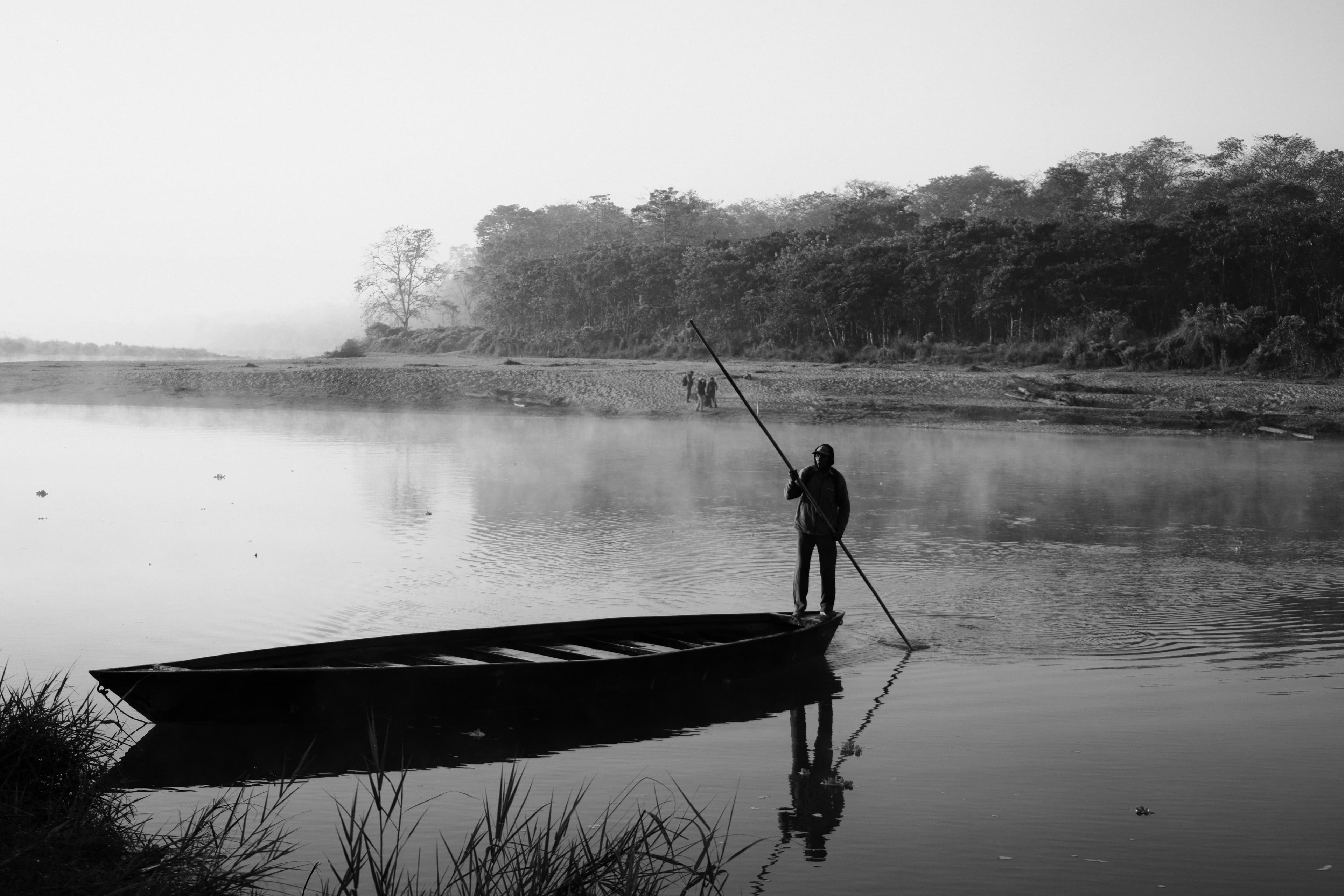
Streetlights lost their sharpness. Buildings softened at the edges. Sounds still existed, but they felt distant, as if wrapped in cotton. People called it fog, but it felt more intentional than weather.
This quiet didn’t arrive with urgency.
It didn’t block roads or cancel plans.
It didn’t demand attention.
It arrived the way understanding often does—slowly, gently, almost unnoticed.
It did not rush through the streets.
It did not conquer the skyline.
It simply stayed.
When the World Slows, People Notice Themselves
At a crowded bus stop, a delivery worker removed his helmet and sat down. For once, he didn’t check his phone immediately. Not because he decided to disconnect—but because the pressure to be constantly alert seemed to fade.
In a high-rise apartment, a woman closed her laptop though her work wasn’t finished. Outside her window, the city looked tired. For the first time in weeks, she didn’t feel guilty for stopping.
A child walking beside his father asked a simple question:
“Why does everything feel quiet today?”
The father searched for an answer and realized something uncomfortable—he didn’t know how to explain quiet anymore.
Silence had become unfamiliar.
A World That Confuses Loudness With Value
Today, we live in a culture that rewards visibility over depth.
- Fast replies are praised
- Strong opinions are amplified
- Being constantly available is expected
Social media trains us to react instantly. Productivity culture trains us to measure our worth by output. Rest is something we postpone, not practice.
In such a world, silence feels dangerous.
Because when everything becomes quiet, there is no distraction left—only thoughts.
And many of us have been avoiding our own thoughts for years.
Silence Does Not Judge—It Observes
The quiet didn’t criticize anyone.
It didn’t shame people for ambition.
It didn’t accuse anyone of burnout.
It didn’t offer motivational slogans.
It simply existed.
And in that existence, something subtle happened.
Arguments felt heavier. Anger lost momentum. Conversations became shorter—not because people had less to say, but because words felt unnecessary.
People felt emotions they had buried under routine:
- Regret for postponed dreams
- Gratitude for overlooked moments
- Loneliness hidden behind busy schedules
These weren’t dramatic feelings.
They were honest ones.
Why Silence Feels Uncomfortable Today
Silence makes us confront questions we usually escape:
- Am I actually happy, or just busy?
- Do I choose my life, or just follow routines?
- When was the last time I felt present?
Noise protects us from these questions. Silence removes that protection.
That is why many people rush to fill quiet moments—with music, scrolling, background videos, endless conversations.
Not because silence is empty, but because it is revealing.
The Forgotten Strength of Stillness
There was a time when silence was normal.
Before constant connectivity, before instant replies, before measuring life in notifications—people paused naturally. They sat with thoughts. They observed surroundings. They listened without planning replies.
Today, stillness feels like a skill we have lost.
Yet silence reminds us:
- You don’t need to perform all the time
- You don’t need to explain every pause
- You don’t need validation to exist
In a world obsessed with proving value, silence quietly restores it.
Why Silence Is a Modern Revolution
In today’s culture, silence is not weakness—it is resistance.
It resists:
- The pressure to always respond
- The expectation to always produce
- The belief that louder means better
Silence does not compete.
It does not trend.
It does not monetize easily.
Yet it transforms people more deeply than any viral message.
It teaches awareness without instruction.
Then, Like All Honest Things, It Left
By morning, clarity returned.
The fog lifted.
Edges sharpened.
Schedules resumed.
Traffic reclaimed the streets. Notifications reclaimed attention. The city returned to its familiar pace.
Most people forgot the quiet as quickly as it came.
But a few didn’t.
Some carried a slower breath into their day.
Some paused before reacting.
Some noticed their surroundings a little more.
They didn’t change their lives overnight—but something shifted.
They understood a simple truth:
Not everything that matters announces itself.
Some things arrive quietly, stay briefly, and leave changed people behind.
What Silence Leaves Behind
Silence does not stay forever.
It doesn’t promise transformation.
It doesn’t demand gratitude.
It only offers a moment.
A moment to observe life without filters.
A moment to feel without distraction.
A moment to remember who you are beneath routine.
What you do with that moment is up to you.
Note:-Inspired by Carl Sandburg’s poem “Fog,” this blog explores the idea of silence and presence in a modern city context through original narration.
Final Reflection: What Did You Notice While It Stayed?
In a world that rewards noise, choosing awareness is rare.
Silence will visit again—maybe in an early morning, a power cut, a long walk, or a moment when your phone is finally still.
When it does, it won’t speak.
It will only ask—quietly:
Are you listening now?
You may also like

How to Find B2B Leads Using AI in 2026: Best AI Lead Finder Tools
Arjak
Saturday, October 10, 2026

How Over-Optimization Is Killing Natural Learning in the Modern Age
AN
Monday, February 16, 2026

Why Deep Thinking Feels Uncomfortable in Today’s Digital World
Tim
Sunday, February 15, 2026